• Skip to primary navigation
  • Skip to main content
  • Skip to primary sidebar
  • Money Management
    • Debt Reduction
    • Credit
    • Mortgages
    • Mutual Funds
    • Tax Strategies
    • Loans
  • Budgets
    • Saving Money
    • Income
  • Banking
    • Checking Accounts
    • Check Writing
    • Fraud
    • History
  • Entrepreneurs
    • Entrepreneur Interviews
    • Money Making Ideas
    • 3D Printing
  • Resources
  • Retirement
  • About
    • Privacy Policy

Personal Finance Blog

Tips And Stories To Help You With Managing Money

  • Privacy Policy
  • Saving Money In 2018
You are here: Home / Archives for Money Management / Credit

Credit

Credit Cards Help Build Your Credit

February 12, 2015 By Twila Van Leer

Younger people need to understand how having a few credit cards can serve them well.
More people are opting not to have a credit card. Studies show that 63 percent of those is the Millennial group (ages 18-29) don’t have a card. Thirty-five percent of those over 30 ditto, according to Bankrate.com.

Lacking plastic can, in fact, simplify your finances, but it also can cause complications in your financial dealings. Such things as renting cars or checking into hotels these days are based on credit cards. One leading hotel chain has put a $700 hold on a customer’s debit card if he can’t produce a credit card.

While it’s possible to build credit without one, it’s easier with one. Especially young people who don’t yet have mortgages and car loans can find it tough to build credit. That can make it difficult when it comes time to secure a loan. If the only thing on your credit history is a student loan, you may find slow sailing.

Credit scores are based on five categories: payment history (35 percent); amounts owed (30 percent); mix of accounts (10 percent); new credit (10 percent); and length of credit history (15 percent.) A credit card can impact the first three of these categories, affecting 75 percent of your overall score. At least one active account that has been reported for six months or more is necessary to generate a report at all.

A credit card does not inevitably mean interest payments. And you needn’t pay hefty fees. A secured credit card allows you to put down a deposit, which will be returned when the account is closed. Transactions of these cards are reported to the credit bureaus the same as with standard cards.

Paying off a card each month or in the “grace period for purchases” avoids interest and fees. The credit card companies make their money on those who carry balances, especially very large balances.

Capitol One, Wells Fargo and Bank of America are among those institutions that offer secure cards. Inquire at your own bank or credit union to see if you can take advantage of that option.

If you dislike the idea of any amount of debt, use your credit card for a minimal purchase, such as lunch, just once a month. Then pay it off and you reap the benefit of a good credit rating. If you use the card to purchase an item for which you could have paid cash, the same benefit applies. But you’ll notice the difference when it comes time to make a major purchase.


Filed Under: Credit Tagged With: credit cards

Use Credit Wisely During The Giving Season

December 16, 2014 By Sherry Tingley

The ideal is to get through the seasonal spending

ased on an analysis of Federal Reserve statistics and other government data, the average household owes $7,283 on their cards.
Based on an analysis of Federal Reserve statistics and other government data, the average household owes $7,283 on their cards.
frenzy with your credit untouched. But many Americans fall short of that ideal. Second best is to be wary and wise as you whip out the plastic as needed. In a preview survey, the National Retail Federation learned that about 38 percent of consumers planned to use credit to fund their Christmas purchases. That’s a 28.5 percent rise over last year.

Don’t start without planning ahead. Set yourself a limit and make a budget that will allow you to pay off the accumulated bills as quickly as possible. Carrying high balances on your cards may lower your credit score, which could have repercussions if you plan any big purchases (home or car, for instance) in the near future.

Credit card issuers add to the temptation by offering seasonal specials with discounts and interest rate grace periods. But don’t count on these come-ons to offset the cost of credit. No company will offer enough to offset the interest they expect to earn. Before you climb on the bandwagon, be certain you are fully aware of the details. Read the fine print.

Examples, according to an Associated Press article, are the deals offered by Macy’s and Kohl’s. At Macy’s approved customers get a card that offers a variety of discounts. Macy’s customers can get up to 20 percent off items, but the offer maxes out at $100. At Kohl’s you can get a card account that gives 15 percent off your next purchase, plus a 20 percent discount when the card is received. The card also promises at least 12 annual discounts ranging from 15 to 30 percent on select items.

But Macy’s asks an annual percentage rate of 24.5 percent and Kohl’s 23.99 percent. In either case, the interest may outweigh the discounts.

Cards that offer no-interest purchases for a year of more may save money over time,but beware that a single missed or late payment could nullify the deal, making the initial savings ineffective. At that point, a high interest rate kicks in. If you opt for such a card, take the amount you wish to purchase with the card and divide it into regular payments within the grace period. If you can’t do that comfortably, you probably don’t need the card.

If your current card includes awards, possibly now is the time to use them to buy gifts. Some plans let you cash in your awards or give credit against your balance or special deals at a point redemption store. Take advantage, if you can, to use a point store to accommodate that gift list.

Creating a repayment plan can help to put the brakes on spending. And after the holidays, if you find you can make small payments twice a month, or increase the usual payment, do so. That will help take the sting out of interest. Most card issuers charge you interest based on your average daily balance. Micro payments can reduce those costs.

Filed Under: Christmas Shopping, Credit Tagged With: credit cards

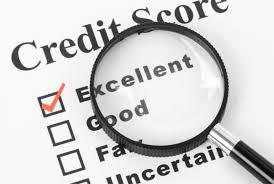
What Is A Good Credit Score?

December 4, 2014 By Sherry Tingley

Good credit can save you money when applying for a loan.
It’s not one of those things that demand your attention. But knowing your credit score can be a real benefit when it comes to borrowing money – and getting a good interest rate when you do.

But determining a “good” credit score can be tricky. Several agencies have different ways of scoring and there are more than one schools of thought on the subject. Fortunately, you can check your own credit score and it won’t adversely affect that score.

Each lender develops its own credit score range. Knowing that is important when you want to know what your numbers mean. Among the various scoring models and the range they use are:

FICO Score, 300-850; VantageScore, 300-850; VantageScore scale (versions 1.0 and 2.0)m 501-990; PLUS Score, 330-830; TransRisk Score, 100-900; Equifax Credit Score, 280-850.

With all of these scores, the lower the number you have, the higher the risk to a lender. Those with the higher figures are more likely to obtain loans, get discounts on insurance and other financial advantages. For instance, if your FICO score is 840, you are near the top of the range and your credit is considered “superprime.” In essence, if the range is 301 to 850, the following categories would emerge. Excellent credit, 750-plus; Good Credit, 700-749; Fair Credit, 650-699; Poor Credit, 600-649 and below.

Within this range, however, lenders have their own definitions of what they will accept. Some who want to qualify a larger number of borrowers may be willing to look at a credit score of 680 or higher, while one that wants to be more selective may up the minimum score to 750 or higher. Some lenders will raise the interest rate for borrowers below a score of 700.

You can get a free Credit.com account simply by applying. It includes the score and a personalized action plan to improve it. It is free and updated every 30 days.

The only way to assure that your credit score is good is to check. Having paid bills consistently and on time does not fully guarantee a good score. Requesting a score once a month provides you with a breakdown of the factors that affect your score.

In general, the score factors in payment history, debt levels and the age of credit accounts. The objective is to predict how new and existing customers will handle credit.

A good score will facilitate your purchase of a home or car, opening new credit accounts and getting the best interest rates. Over time, you will pay less for the use of lent money. Bad credit could add as much as $90,000 to a home, for instance.

It pays to know where you stand credit-wise and to work to improve your score if needed.

Filed Under: Credit Tagged With: credit score

Use Credit Wisely

October 2, 2014 By Twila Van Leer

credit-scoreCredit is a fact of financial life for the great majority of Americans. The trick is to manage it so that it doesn’t manage you. A blessing when you’re in control, it can quickly become a nightmare if you are not.

Here are tips for setting up credit, managing it to your advantage and monitoring it.

The natural thing to do, if you have already established a good working relationship with a financial institution, is to use that institution to apply for credit. A secured credit card is a good first step toward expanding into credit. With the card, you can have money deposited automatically. As a rule, the amount of credit that will be offered by the company is equal to the amount you deposit. Keep up the payments regularly and you can convert to a regular, non-secured card.

A good way to ease into credit is to take out a personal loan for a large purchase, say a car, using a co-signer if necessary. Then you begin building a credit history. That history will be the foundation for more credit. It’s easy to feel too comfortable in the knowledge that you can get credit. Be responsible and stay out a trouble with missed or late payments.

You must be 18 to apply for a credit card. Until you reach 21, you will need a co-signer.

Some banks or other financial companies offer cards with a lower limit to help beginners to establish credit.

When you are ready to increase the amount of your credit, think about it carefully. The temptations to use the credit increase with the amount. Be certain you have paid your credit accounts on time for at least six months before looking at expanding.

Keep utilization low. Try to use no more than 50 percent of your available credit. If you max out your card, your debt to loan ratio (how much you owe over how much they will loan you) will be too high to get a good credit score. Having a larger credit reservoir will give you better credit scores. A credit lender looks at those figures when determining if you would be a good risk with more credit. Building loyalty to a particular lender by being responsible increases your chances for more credit, as well.

It is likely that credit will be a factor in your financial dealings throughout your life. You need to protect this asset by reviewing what is in the credit reports prepared by major reporting companies such as Equifax, Experian and TransUnion. The official site where you can get reports is www.annualcreditreport.com. They are required by law to provide you with one report annually free of charge. If you find anything amiss in the reports, deal with it immediately. Have the documentation you need to correct mistakes.

Monitoring your report won’t lower your credit score. Staggering the times at which you obtain a report from the major agencies makes the task less onerous.

Bottom line: do it. Keeping your credit history clean is an important element in your overall money management scheme.

Filed Under: Credit Tagged With: credit cards, credit score, money management

Get Sensible With Credit Card Usage

September 25, 2014 By Sherry Tingley

use wisely
Credit Card Usage Has Lessened Since 2008
Americans seem to have learned something from the Great Recession that began in 2008. Before that landmark crises, they were going mad with credit cards, racking up personal debt that left them hamstrung when the economy went bonkers. Afterward, they became more frugal, financial experts noted. And now, with the crises apparently over, they are using their cards again, but in a less exuberant way.

Recently released Federal Reserve data showed a 9.7 annual percent increase in the amount of credit extended to customers. Revolving credit – bank-issued credit cards and retail store cards – showed an annual rate increase of 7.4 percent. Those numbers were almost three times higher than the 2.5 percent hike recorded in June. And for all of last year, the increase was only 1.3 percent. Even that was an improvement over 2009 and 2010, when growth was flat – as in most sectors of the economy.

The outlook for future growth is promising. CardHub, a website for consumers looking for the best deals in cards and rates, is looking for a $41.9 billion net increase in credit card debt this year. That’s 8 percent more than in 2013 and 14 percent over 2012.

But the growth shows a more cautious use of credit cards, according to Theodore Iacobuzio, vice president of global insights for MasterCard. He believes the unfettered love affair that kept people using their credit cards freely before the recession is over. “They’re not going back to how they used them before,” he said.

Pre-crisis, average American households had about seven credit cards, not counting debit and store cards. Now, they’re using the cards as tools to pay off debt and they’re paying off that debt faster than before.

Wish fulfillment has taken a backseat to the use of cards to help manage the new economic realities in many families. That’s reflected in the record low numbers of those who are delinquent in payments. Two factors are at play here, the first being the fact that many Americans have gone to great lengths to cut their credit card debt and are not replacing it with new debt. The second effect is from a greater number of consumers who defaulted during the economic crisis and cannot replace their credit cards. From April through June this year, only 2.25 percent of credit card accounts were in arrears. That’s the lowest since the Federal Reserve began tracking the figure in 1991.

Many consumers are playing it safe with prepaid cards from outlets such as WalMart and Green Dot. They have the advantage of being able to check their balances online or via text messages and avoid the fees often associated with cards issued by banks.

That option helped many Americans through the recession, especially those who were having a tough go in the job market.

Although the difficulties the recession created were a headache for many American families and came on too fast for pre-planning, they may have forced a more reasonable approach to debt. Consumers who got burned are being more careful of the flames and thinking twice before they blithely take their credit cards out of their pockets.

.

Filed Under: Credit Tagged With: credit cards

  • « Go to Previous Page
  • Page 1
  • Page 2
  • Page 3
  • Page 4
  • Page 5
  • Page 6
  • Go to Next Page »

Primary Sidebar

Personal Finance Articles

  • Make Saving A Priority
  • Review Your Home-Insurance Risks
  • Lowest Air Fare? Try August 28
  • Hackers Targeting Bitcoins
  • Keep Your Emergency Fund Intact

Save At Walmart

Search

Personal Finance Education

Investing Education from Morningstar.

As Seen On Intuit

Intuit.com has ranked Coolchecks.net #4 out of 10 of the best blogs to help you save money. We hope to help you become more aware of your own financial situation and strive to improve it.

Featured On Mint.com – July 2014

Mint Interview

Categories

  • Banking
    • Check Writing
    • Checking Accounts
    • Credit Cards
    • EMV Cards
    • Fees
    • Fraud
    • History
    • Student Loans
  • Best Of The Web
  • Budgets
    • Emergency Fund
    • Grocery Shopping
    • Saving Money
    • Spending Habits
  • Business
    • 3D Printing
    • Bankruptcy
    • Business Advertising
    • Business Development
    • Business Plans
    • Corportate Lessons
    • Data Mining
    • Legal Issues
    • Merchants
    • SEC
    • Security
    • Small Business Startups
  • Consumer Alerts
  • Cryptocurrency
  • Cutting Costs
  • Employment
    • best places to work
    • Careers
    • Interviews
    • Job Search
    • Top CEOs
    • Wages
  • Entrepreneurs
    • Attitudes
    • Entrepreneur Interviews
  • Featured
  • Finance
    • Automobiles
    • Credit Ratings
    • Education
    • Financial Planners
    • Foreclosures
    • Homes
    • Insurance
    • Investing
    • Mortgages
    • Personal Finance
    • Renting
    • Term Deposits
    • Travel
    • Work
  • Fraud
  • Government
  • Holidays
    • Christmas
    • Halloween
  • Internet
    • Bitcoin
    • Blogging Tips
    • Blogs, RSS and Podcasting
    • Databases
    • Facebook
    • Influence
    • marketing
    • Twitter
    • Website Reviews
    • WordPress
      • Key Words
  • Investing Basics
    • Hedge Funds
    • Investing
    • Mutual Funds
  • Life
    • Aging
    • Just For Fun
      • Punahou Alumni Corner
    • Millennials
    • Personal Health
  • Money Making Ideas
    • Affiliate Programs
    • Craigslist
    • Ebay
  • Money Management
    • Bankruptcies
    • Building Wealth
    • Child Care Costs
    • Christmas Shopping
    • Credit
      • Free Credit Report
    • Debit Cards
    • Debt
    • Debt Reduction
    • Health Insurance
    • Income
    • Inheritance
    • Interest Rates
    • Loans
    • Mortgages
    • New Years Resolutions
    • Retirement
    • Shopping Tips
    • Tax Strategies
    • Your Stories
  • Retirement
  • Self Improvement
    • Time Management
    • Work Habits
  • Shopping
    • Coupons
    • Online Shopping
  • Social Security
  • Tax Tips
  • Taxes
  • Technology
  • Trade
  • Uncategorized
  • Wealth

Best of Personal Finance Blogs

Best of BuyerZone Business Finance Blog Recipient

Personal Finance Sites We Recommend

Get personal finance advice from the people behind the top money blogs, including Wise Bread, The Simple Dollar, Mint and Nerd Wallet.

Copyright © 2026 ·Metro Pro · Genesis Framework by StudioPress · WordPress · Log in