• Skip to primary navigation
  • Skip to main content
  • Skip to primary sidebar
  • Money Management
    • Debt Reduction
    • Credit
    • Mortgages
    • Mutual Funds
    • Tax Strategies
    • Loans
  • Budgets
    • Saving Money
    • Income
  • Banking
    • Checking Accounts
    • Check Writing
    • Fraud
    • History
  • Entrepreneurs
    • Entrepreneur Interviews
    • Money Making Ideas
    • 3D Printing
  • Resources
  • Retirement
  • About
    • Privacy Policy

Personal Finance Blog

Tips And Stories To Help You With Managing Money

  • Privacy Policy
  • Saving Money In 2018
You are here: Home / Archives for Banking

Banking

ATM Fees, Overdraft Fees Add Costs To Poor Financial Planning

September 29, 2014 By Sherry Tingley

ATM fees have risen 5%
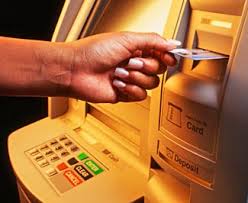
ATM Bank fees are on the rise again. The average cost for ATM withdrawals out of network is now $4.35 per transaction. Bankrate.com completed their 17th annual Checking Survey and reported that average ATM charges have risen 5% over the past year.

ATM Charges

Greg McBride, Chief Financial Analyst for Bank rate reported that ATM fees and overdraft fees go up year in and year out. The average surcharge for out-of-network ATM withdrawals have risen 6.5% for the 10th year in a row of increased fees.

ATM fees are the price you pay for not planning ahead to get to an in-network ATM or for picking a bank that doesn’t have ATMs close to where you live or work. There are smart phone apps that will help consumers find the nearest in network ATMs to help you avoid these fees. Consumers can take comfort in the fact that with a little advanced planning, they can avoid any bank fees completely.

There are actually two fees that can be charged to the customer using other banks ATMs. One fee is charged by the bank that owns the ATM and another fee is charged by the customers own bank. Both of these fees have gone up. Together these fees can be as high as $4.35. That represents an increase of more than 5% from last year.

The cities with the highest ATM fees in the nation are Milwaukee, Phoenix, Houston, Cincinnati, San Francisco and San Diego.

Overdraft Fees

For the 16th consecutive year, overdraft fees have risen with the average cost at $32.74 per transaction.

Consumers can choose what type of overdraft protection they want to have on each account. Without overdraft protection debit card transactions that create insufficient funds can just be declined without any overdraft fees. This cannot be done for automatic withdrawals like mortgage payments.

Limit Your Expenses

Limiting these types of bank fees is always within the reach of the consumer. Smart phone apps can be set to alert you when you have reached a minimum balance. Apps can also point you to the closest ATM for your particular bank. These kinds of fees are basically the result of a “sloppy financial habit,” says McBride.


Filed Under: Banking Tagged With: Checking Accounts

First-Time Home Buyer? Do It Right

July 14, 2014 By Twila Van Leer

Get The Best Mortgage Loan For Your Home

Making your first investment in a home is a big deal. A combination of angst and anticipation on a steep learning curve. At the moment, the inventory of possible buys is low and lenders are being selective. Be aware and be wary. The better prepared you are the greater your chances of success.

Even if you have the burden of student debt, now at an all-time high average of $30,000 per graduate, it can be done, but it requires an astute approach. On the plus side, interest rates continue to be relatively low, so now is the time. A suggested timeline for home-buying includes:

A year in advance:

Get serious about the figures. Trulia.com has a “rent-or-buy” calculator that would help you decide if buying is in the cards or whether it would be wiser to continue renting. At the moment nationwide, buying is 38 percent cheaper than renting. Feed in your data and see how you score. Get your finances in order. Spend the year saving money and, if possible, paying down debt. An FHA loan requires at least 3.5 percent down. Conventional mortgages call for 10 percent to 20 percent. Are your jobs stable? The potential mortgage institution will want to know. Be studying the housing market to learn what appeals to you. Browse the Internet listings and save the ones that you think you’d really like to see.

Six months to go

Order free credit reports and eliminate any mistakes before they come to the attention of a potential seller. Pay your bills on time and if you have a few bucks left at the end of a pay period, apply them to debt. Don’t take on new debt. Approval for mortgage applicants requires a minimum credit score of 755. Zillow.com has an online calculator that will help you estimate what you can afford for a new home, based on income, savings and debt. Look at tax rates in the target area you propose. Don’t court disappointment by overestimating what you can afford. Try to forecast future expenses. Maintenance on a home adds, on average, 1 percent to the cost of home owning.

Three months out

You’re ready, armed with the information you need. Now determine what type of mortgage you want to pursue. Fixed mortgage rates, now at about 4.4 percent, could go up to 5 percent this year, according to industry forecasts. A 7/1 adjustable-rate loan carries interest of only 3.5 percent now. For the sake of that lower rate, however, you run the risk that you could stay in the home longer than seven years and face a sharp interest rise. That’s why 92 percent of mortgage borrowers stick to fixed-rate loans. Many banks will pre-approve a mortgage loan based on income and credit. That’s a huge advantage when the actual search for a home begins.

Time to go

Find a realtor in the area where you want to buy. Screen to be certain the person you select will serve the best interests of your home purchase. Good questions to ask: How does the realtor go about finding listings and how are potential bidding wars handled?

That’s it. Happy house hunting!

Filed Under: Banking, Homes Tagged With: Mortgages

Free Checking? Try A Credit Union

July 9, 2014 By Twila Van Leer

Finding a financial institution that offers free checking is usually not hard, and many credit unions are joining the ranks, making it even easier. And the fees associated with checking where it isn’t free are plateauing, according to an article in Bankrate.com.

The 2014 Credit Union Checking Survey conducted by Bankrate reported that 72 percent of the country’s 50 largest credit unions charge no monthly service fee and apply no fees to point-of-sale transactions.

Free checking frees up money to spend elsewhere.

The figure is slightly down from the 78 percent posted in 2010. The continuing trend, however, is good news, showing that free checking is a staple at most credit unions and there is no indication that that will change.

In contrast, banks appeared moving in the opposite direction, with a drop among the institutions offering free checking from 76 percent in 2009 to 38 percent in 2013, Bankrate reported.

Some banks, while charging a checking fee, offer an offsetting opportunity. For instance, Alaska USA Federal Credit Union in Anchorage waives its $5 monthly fee if the customer uses direct deposit into a checking account. Others drop the fee if the consumer agrees to e-statements or maintains a minimum balance. With these trade-offs factored in, the number of free checking amounts rises to 96 percent.

That makes the talk about the demise of free checking moot, says Greg McBride, one of Bankrate’s analysts.

Credit unions have incentive to offer free checking, since they are not-for-profit cooperatives with obligations to members, rather than stockholders. There is a sense of providing service to members whereas banks are concerned with profit-making. Free or low-fee accounts are a matter of pride with the non-profits. It’s an attitude that is core to their business.

Bankrate also looked at other fees related to credit union banking and found that most of them are holding steady.

About 30 percent of the credit unions in the survey either had no fee associated with using an out-of-network ATM or allowed up to five uses per month of those ATMs.

Overdraft fees have risen slightly at the credit unions, according to the study, from an average of $26.74 to $26.9. The average bank fee for overdrafts is $32.20, while those who exceed their credit union balances commonly pay $25 to $30.

Surcharge fees paid by nonmembers to use a credit union’s ATM went up 5 percent between surveys, now standing at an average $2.41. Since 2010, such fees have risen by 20 percent, and it appears likely that the non-member usage will continue to see increases, industry leaders say.

Credit union membership has increased by more than 8 percent since 2008 and assets have grown by more than 30 percent. The financial crisis that hit the country a few years ago likely pushed the increase. As consumers began to feel “fee fatigue” more frequently, they took new looks at the historic benefits of credit unions and either switched from their banks or added a credit union to their financial options.

While current no- or low-fee offerings are expected to continue, credit unions are feeling the effects of a long period of low interest rates and other financial factors, as are their competitors. All financial institutions will continue looking at fees and evaluating services and offerings, industry leaders say.

Filed Under: Checking Accounts Tagged With: Checking Accounts, money management

Identity Fraud Victim List Going Up and Up

May 9, 2014 By Twila Van Leer

Identity fraud can be devastating. Don't let this happen to you.
Identity fraud can be devastating. Don’t let this happen to you.
In case you want to be scared before Halloween, just take a look at the latest statistics on identity fraud. That’s the unauthorized use of your personal information by someone who wants financial gain at your expense. According to the Javelin Strategy and Research organization, there’s a new victim every two seconds. The 2013 data included in the update issued in February 2014 include these disquieting items:

  • The number of identity fraud victims rose to 13.1 million, an increase of more than 500,000 over the previous year.
  • A dramatic increase in account takeover was reported.
  • Data breaches became even more damaging. Information has been stolen from eBay, PayPal, Amazon and other Internet accounts. One in three people who received a data breach notification during the year was added to the growing list of victims.

About the only good news in the 2013 report is that the amount of money taken in identity fraud incidents was down to $18 billion, a $3 billion decrease over the previous year-end well below the high of $48 billion that occurred before counter-measures were begun. That’s small consolation to the millions who have suffered losses.

Fraud can range from simple unauthorized use of another person’s information to make purchases to elaborate schemes of taking control of existing accounts or opening new accounts. Javelin Strategy and Research contacted 5,634 U.S. consumers to compile its data.

The decrease in the total money impact of fraud in 2013 was attributed to education and other steps that are fighting the problem, said Al Pascual, senior analysts of Security, Risk and Fraud for the researchers. In response, criminals appear to be adapting their approach to focus on account takeover, which becomes easier when there are major breaches in huge accounts. There is no room for letting down defenses, he said. “Any complacency will provide fraudsters renewed opportunities.”

Data breaches have become by far the greatest risk factor for identity fraud, allowing criminals more latitude for their ever-more-sophisticated schemes.

Javelin offers these safety tips for consumers, who are advised to work with established institutions to fight the problem:

  • Keep your personal data private. Use and frequently change passwords and keep personal information locked in a storage device at home, at work and on your mobile device. Don’t mail checks to pay bills unless they are printed on high security paper. Shred documents that contain information. Monitor accounts and use updated security software. Use a trusted and secure Internet connection rather than a public Wi-Fi site when transmitting personal or financial information. Have regular income checks direct-deposited.
  • Use two-factor authentication when possible. Some institutions offer this added layer of security, beyond username and password. You will then be notified each time someone tries to access your account. You can deal with suspicious incidences in real time.
  • Resist any requests for your Social Security Number. The great majority of banks and credit card issuers will allow access to your account to someone using your SSN. The numbers can’t be changed so they’re valuable to fraudsters. Ask your financial institution to put a note on your account that you will never provide your SSN when identification is requested. Then if someone attempts to get access to your account with this information he or she will automatically be identified as a fraudster.
  • Be proactive and enlist others in the effort to stem fraud. Sharing alerts issued by banks can reduce the risks for more people. An array of services are offered to consumers who want extra protection, including payment transaction alerts, credit monitoring, credit report fraud alerts, credit freezes and database scanning.
  • Take any perceived data breach seriously. If your financial institution or retailer provides free monitoring after a breach, take advantage of the offer, closely monitor your accounts and ask that a fraud alert be attached to your credit report.
  • Report problems immediately, even if your only suspect fraud. Contact your financial institution to see what resolution services they offer, including loss protections and methods to secure your accounts. Quick action can reduce the likelihood of losses and help law enforcement agencies to pursue fraudsters.

Do everything you can to avoid becoming an addition to the fraud statistics for the next reporting period.

Filed Under: Banking, Fraud Tagged With: Fraud, Scams

How Your Spending Data Is Being Used By Banks

January 10, 2014 By Sherry Tingley

Customer spending patterns are analyzed by algorithms.

Targeted advertising has reached a whole new level in the “Card Linked Space.” If you bank with one of the 400 financial institutions (including Bank of America, Regions Bank, PNC Bank,  Fiserv, and Intuit) that have partnered with Cardlytics, then every spending action that you make with a debit card is stored and analyzed to serve you with the perfect advertisement.

Shopping for groceries? Sporting Goods? Boutiques? Accessories? Home Improvement? You will receive ads that target items commonly sold by those types of merchants. If they had item level data on your purchases, you would see adds for individual items, but banks only get the total amount spent and the merchant names.

Understanding how the algorithms could work with your data takes a little imagination. Can your spending patterns lead them to the conclusion that you are a mom driving kids to and from school and after school activities. Can they tell if you are single or married? Can they tell if you are a baby boomer or senior citizen? Using this information can they predict what types of products you might be interested in?

Lynne Laube & Scott Grimes - Creators of Cardlytics - Photo from Forbes Magazine
Lynne Laube & Scott Grimes – Creators of Cardlytics – Photo from Forbes Magazine

Cardlytics, a company that analyzes $500 billion dollars worth of spending – over 11 billion transactions, seems to be able to accomplish this. They have been accurate enough that hedge funds call and ask to buy their data to predicts increases or decreases in sales. In fact, Cardlytics has patented (U.S. Patent No. 8,595,065) the spending algorithms calling them – Cardlytics Offer Placement System (OPS).

Is it all an invasion of privacy or is there some good to be found?

According to a recent article “Reading Your Financial Footprint,” in Forbes Magazine (Dec. 16, 2013), customers have saved $17,000,000. Sales generated were a staggering $700,000,000. Depending on how you interpret those results, it seems like the whole system actually saves you money.

Interesting to note is that the people that started Cardlytics, Lynne Laube and Scott Grimes had significant experience with the banking industry. Lynne Laube was the Vice President and COO of Capital One and Scott Grimes was their Senior Vice President and general manager. Both with finance, business and marketing backgrounds these two entrepreneurs look young enough to be included in the millionaires under 40 club.

For consumers, we are not likely to see this type of advertising go away. In fact, it will probably increase more as even more sophisticated algorithms are developed. The upside to consumers is not only saving money on products they would be purchasing anyway, but saving them time hunting for bargains, loyalty cards or bulk purchasing deals. Marketing certainly seems to be at the top of it’s game in 2014.


Related articles across the web

  • Forbes Highlights Cardlytics’ Growth and Future of Card-Linked Offers
  • The Revolutionary Way Marketers Read Your Financial Footprints
  • 5 Tools to Target Customers Based on Past Purchase Behavior

Filed Under: Banking, Saving Money Tagged With: banking, credit cards, Saving Money

  • « Go to Previous Page
  • Page 1
  • Interim pages omitted …
  • Page 6
  • Page 7
  • Page 8
  • Page 9
  • Page 10
  • Interim pages omitted …
  • Page 13
  • Go to Next Page »

Primary Sidebar

Personal Finance Articles

  • Make Saving A Priority
  • Review Your Home-Insurance Risks
  • Lowest Air Fare? Try August 28
  • Hackers Targeting Bitcoins
  • Keep Your Emergency Fund Intact

Save At Walmart

Search

Personal Finance Education

Investing Education from Morningstar.

As Seen On Intuit

Intuit.com has ranked Coolchecks.net #4 out of 10 of the best blogs to help you save money. We hope to help you become more aware of your own financial situation and strive to improve it.

Featured On Mint.com – July 2014

Mint Interview

Categories

  • Banking
    • Check Writing
    • Checking Accounts
    • Credit Cards
    • EMV Cards
    • Fees
    • Fraud
    • History
    • Student Loans
  • Best Of The Web
  • Budgets
    • Emergency Fund
    • Grocery Shopping
    • Saving Money
    • Spending Habits
  • Business
    • 3D Printing
    • Bankruptcy
    • Business Advertising
    • Business Development
    • Business Plans
    • Corportate Lessons
    • Data Mining
    • Legal Issues
    • Merchants
    • SEC
    • Security
    • Small Business Startups
  • Consumer Alerts
  • Cryptocurrency
  • Cutting Costs
  • Employment
    • best places to work
    • Careers
    • Interviews
    • Job Search
    • Top CEOs
    • Wages
  • Entrepreneurs
    • Attitudes
    • Entrepreneur Interviews
  • Featured
  • Finance
    • Automobiles
    • Credit Ratings
    • Education
    • Financial Planners
    • Foreclosures
    • Homes
    • Insurance
    • Investing
    • Mortgages
    • Personal Finance
    • Renting
    • Term Deposits
    • Travel
    • Work
  • Fraud
  • Government
  • Holidays
    • Christmas
    • Halloween
  • Internet
    • Bitcoin
    • Blogging Tips
    • Blogs, RSS and Podcasting
    • Databases
    • Facebook
    • Influence
    • marketing
    • Twitter
    • Website Reviews
    • WordPress
      • Key Words
  • Investing Basics
    • Hedge Funds
    • Investing
    • Mutual Funds
  • Life
    • Aging
    • Just For Fun
      • Punahou Alumni Corner
    • Millennials
    • Personal Health
  • Money Making Ideas
    • Affiliate Programs
    • Craigslist
    • Ebay
  • Money Management
    • Bankruptcies
    • Building Wealth
    • Child Care Costs
    • Christmas Shopping
    • Credit
      • Free Credit Report
    • Debit Cards
    • Debt
    • Debt Reduction
    • Health Insurance
    • Income
    • Inheritance
    • Interest Rates
    • Loans
    • Mortgages
    • New Years Resolutions
    • Retirement
    • Shopping Tips
    • Tax Strategies
    • Your Stories
  • Retirement
  • Self Improvement
    • Time Management
    • Work Habits
  • Shopping
    • Coupons
    • Online Shopping
  • Social Security
  • Tax Tips
  • Taxes
  • Technology
  • Trade
  • Uncategorized
  • Wealth

Best of Personal Finance Blogs

Best of BuyerZone Business Finance Blog Recipient

Personal Finance Sites We Recommend

Get personal finance advice from the people behind the top money blogs, including Wise Bread, The Simple Dollar, Mint and Nerd Wallet.

Copyright © 2026 ·Metro Pro · Genesis Framework by StudioPress · WordPress · Log in