• Skip to primary navigation
  • Skip to main content
  • Skip to primary sidebar
  • Money Management
    • Debt Reduction
    • Credit
    • Mortgages
    • Mutual Funds
    • Tax Strategies
    • Loans
  • Budgets
    • Saving Money
    • Income
  • Banking
    • Checking Accounts
    • Check Writing
    • Fraud
    • History
  • Entrepreneurs
    • Entrepreneur Interviews
    • Money Making Ideas
    • 3D Printing
  • Resources
  • Retirement
  • About
    • Privacy Policy

Personal Finance Blog

Tips And Stories To Help You With Managing Money

  • Privacy Policy
  • Saving Money In 2018
You are here: Home / Archives for Finance / Personal Finance

Personal Finance

Ways to Save On Taxes

November 3, 2017 By Twila Van Leer

Save on Taxes
There are some entirely legitimate tax maneuvers that can save you money when it is tax time.

The first involves state-based college savings plans. Those plans are best if you have a long time to let your contributions grow. But even if your student is about to head off to college, you may be able to wring a last-minute benefit. Most states offer deductions or credits on your taxes if you are saving for higher education, and they don’t limit the amount of time you have to build your fund. You can put money in and take it out again shortly to reap the benefit. A few states require that you have the money in the education account for at least a year before qualify for the deduction. Contact your plan or go to SavingForCollege to get the specifics.

Health Savings Accounts, designed to help pay the consumer’s share of medical costs, also have a built-in tax break. The contributions are deductible as you pay them and stay tax-deferred as the account builds; withdrawals are tax-free as long as they are used for the qualified medical expenses. Some experts suggest a health savings account even if contributions to a 401(k) fall short of the full amount matched by the employer. The trick, though, it to leave the health savings account alone so it can grow the maximum amount possible. That leaves you to pay deductibles and copays out of pocket. Do the math and see where the break-even point comes.

Roth IRAs give you the ability to withdraw money tax-free in your retirement. That’s a huge advantage if you have kept your IRA intact and let it grow through compounding. There is a limit, however, on IRAs. The limit is $133,000 for an individual (as of 2017) and $196,000 for married couples filing jointly. Taxpayers can get around those limits by contributing first to a traditional IRA and then converting to Roth IRAs, since there is no limit on Roth conversions. Income taxes generally apply to conversions, but the bill could be low, even zero, if you don’t take a deduction and don’t have much money in IRAs outside the one being converted. The IRS bases the tax on a conversion on the proportion of the taxpayer’s IRA holdings that have not yet been taxed.

There are additional IRA manipulations you can do to maximize your tax advantage, but the maneuvering becomes more complex. A visit with a tax accountant might be advisable when he being to contemplate “mega backdoor Roths.”


Filed Under: Personal Finance, Tax Strategies

Should You Refinance Your Car

November 1, 2017 By Twila Van Leer

Car Refinancing
Should you look at redoing your car loan? There are some reasons that it is a good approach.
When your finances get pinchy, refinancing your larger loans is a tempting idea. Should you, for instance, look at redoing your car loan? There are some reasons that it is a good approach.

Your own situation, lifestyle and other financial commitments should all be considered before you dive into a refinance, but here are some tips:

Car purchases in general have a lot of options. If, on second thought, you think you may have made the wrong choice, reconsider. Paying off the loan more quickly can save as much as $1,000 over the term of the loan. It makes it worth the initial stress of making slightly larger monthly payments.

If interest rates have dropped while you have been paying on the vehicle, refinancing is a good idea. If the deal originally called for a interest rate higher than 6 or 7 percent, you almost certainly will see a savings at a lower rate. Getting your financing through a financial institution rather than through the dealer may get you a better deal. Do a little comparative shopping and see where you can get the best interest.

If during the time you have been paying monthly installments your credit score has improved, you have a bargaining chip for better terms, especially if the car payments, in particular, have been regular and on time. If getting out of debt has been a target you have faithfully zeroed in on, you can reward yourself by looking at a car refinance that will lessen the pressure a bit.

If you have leased a vehicle and the lease is about to expire and you are debating whether to purchase the car or trade it in on something else, consider carefully. The car industry has reported a glut in leased car returns and you may be able to capitalize on that fact. Don’t jump into a new arrangement until you have done some research.

If, in the end, your objective is to have more free money, then a refinance extending the term of the loan, with smaller monthly payments, may be what you need. The negative, of course, is that you will be on the hook for a longer period of time, but freeing up more money will help take away the sting.

Filed Under: Automobiles, Finance, Loans, Personal Finance

Pay Off Student Loans Faster

October 31, 2017 By Twila Van Leer

Student Loans
“Review recent reporting on student loans, and chances are that stories of eight million people in default and retirees paying off loans with Social Security will come up.” Forbes Magazine
One of the main reasons Millennials don’t invest more money toward retirement is that they are saddled with education debt. The average amount of student loans in 2016 was a record $37,172. That’s a 6.05 increase over the previous year, according to Cappex.com, a college scholarship website.

Bankrate.com studied the issue and came up with these suggestions to help those with student debt to get out from under the load faster:

Treat the loan as you would a mortgage, making larger payments to reduce the principal faster. A student loan of $25,000 with 6.8 percent interest and a 10-year payback period would cost $288 a month. Upping the payment to $700 per month would clear off the debt in three years.

Make payments twice a month instead of monthly. That would help even out an increased payment. After the initial push to get the loan paid, the money that had been absorbed in student debt then becomes available for other things, including a mortgage and savings toward retirement. Or it could be used to help a child through college, saving him or her the same burden of student debt.

Many experts advise those with student loans to create a plan for paying off in three to five years. Seeing the plan in black and white gives a better sense that this is something that can end. It becomes the basis for a goal that the individual can commit to.

The example is a couple who have $50,000 in combined student debt. They earned about $100,000 a year jointly. They established a budget and cut back on spending. They had bonuses from their jobs that they dedicated to the drive to become debt-free and they put $800 per month into the loan payment. They had paid off the loans in two years where it would have taken eight years if they had made only minimum payments.

Having money put into savings automatically bysteps the temptation to spend everything you earn. Don’t use checking and/or savings accounts you already have. Keep a separate account for the purpose of student debt reduction.

Minimizing the amount of loan assistance you need to complete college by working part-time is a counter step to be considered at the outset. Planning ahead, being willing to sacrifice to keep loans at the lowest possible figure and keeping focused on long-range personal finances will help. Falling off the budgetary wagon when personal wants and desires get first attention will lead to future problems.

The very best advice: live within your means and be conscientious about saving.

Filed Under: Budgets, Personal Finance, Student Loans

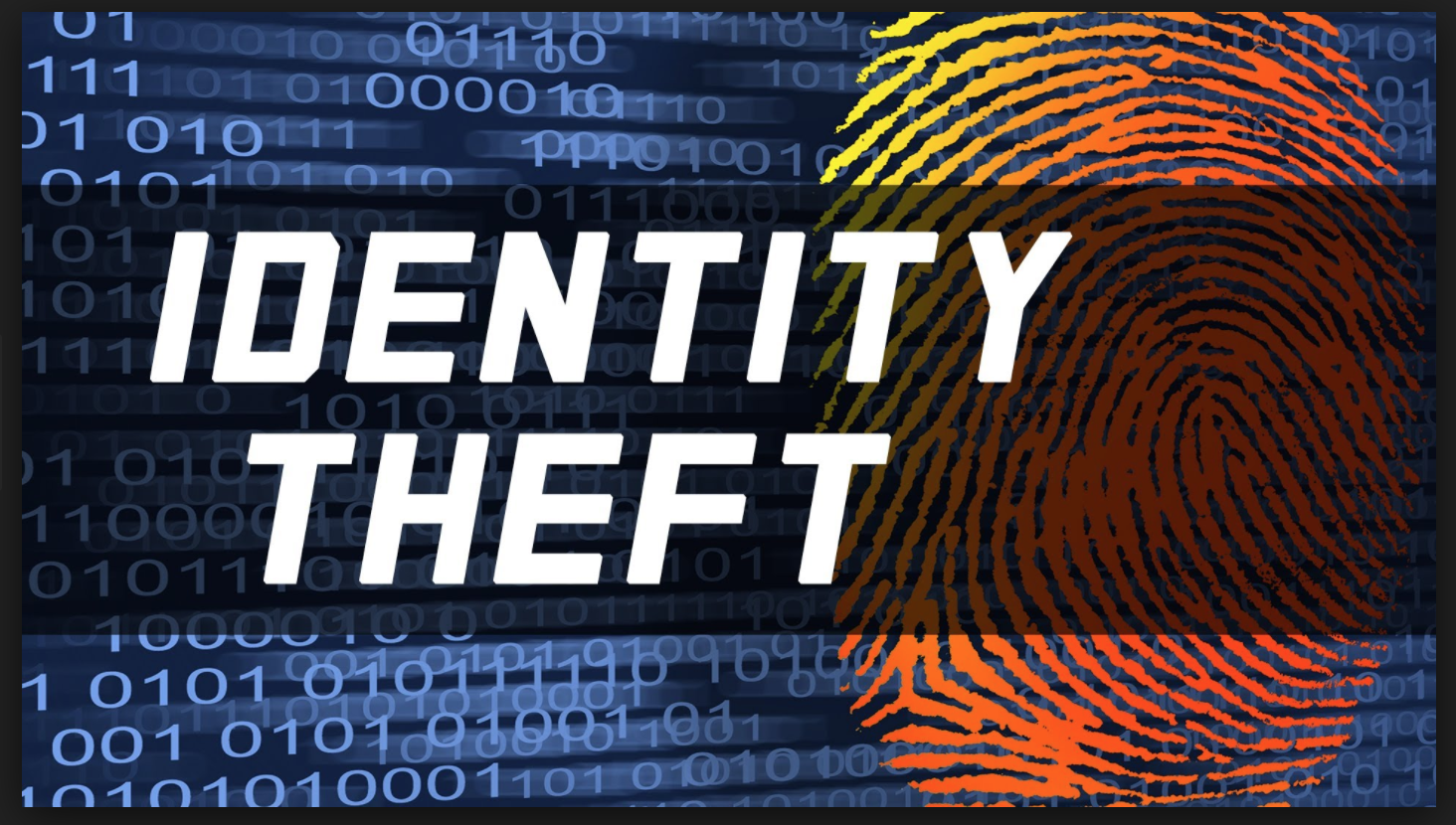
Has Your Identity Has Been Stolen

October 29, 2017 By Twila Van Leer

Identity Theft
Learn how you can know that you are safe from identity theft.
With data breaches at large retailers and the Equifax credit rating company, it’s easy to feel jittery about how secure your personal finances may be. The highly publicized instances gave hackers access to the personal data of millions of Americans. So how do you know if your information is being used without your knowledge?

Unfortunately, it may be years before it is apparent that your ID is compromised. And the longer it goes unnoticed, the longer the crooks have to misuse your name, Social Security Number and other personal information for their own purposes.

Look for these signs:

If you get strange bills or statements that you can’t immediately identify, it may be the first signs of identity theft. Always open your mail even if it looks unimportant. An unfamiliar service provider or credit account may be your first clue. What you first think is junk mail may be a bill for services or goods you have no knowledge of.

On the other hand, be aware if there are irregularities in the bills you ordinarily receive. It may be that a criminal has changed the address on the account to help him or her to establish other accounts. If your expected regular mail stops, it is a sign that a change of address request has been filed to facilitate the crook’s use of your identity.

Odd charges on credit card or banking accounts are a signal that your information is being used by someone else. Credit card companies try to alert customers to unusual activity, but they can’t catch all of it. The fraud may start out small as the thief tests to see if the card is active. Some of the scammers keep their charges small to prolong the time before they are discovered and steps taken to halt them.

If you are denied money by an ATM, turned down for a loan or advised that your health insurance is being denied because you are over the annual limit, take immediate steps. Even if you think you are talking with someone who has a legitimate concern in your financial matters, never share a PIN by phone. Caller ID numbers can be spoofed.

If creditors and collection agencies start calling about late or missed payments, don’t shrug the calls off as errors. Get on the chase at once.

If you were expecting a tax refund or if the IRS notifies you that you filed two tax returns, that is a red flag. The Department of Justice knows that thieves have stolen billions of dollars from the U.S. Treasury by filing bogus tax returns using stolen identities. Verify that a caller asking questions about your taxes is a bona fide representative of the IRS before divulging any information.
You can get a free copy of your credit report if you are suspicious of activities surrounding your finances. If the report shows accounts with which you are not familiar, it’s time to start down the long and winding road to resolution of the theft of your identity. You should routinely check your credit report even if you have no reason to think your information is being used by someone else.

Filed Under: Credit, Finance, Fraud, Personal Finance

ATM Fees at Record Highs

October 24, 2017 By Twila Van Leer

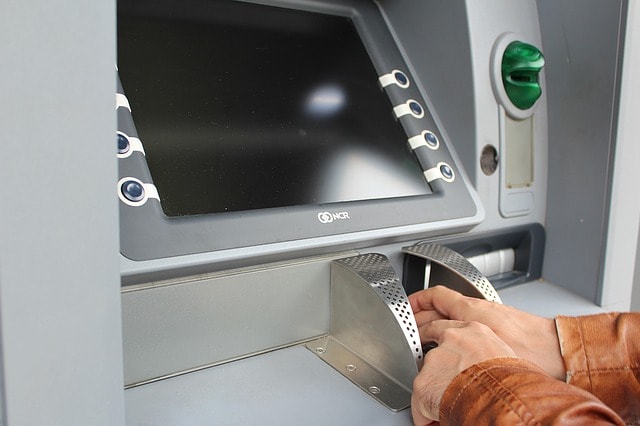
ATM Fees
You can avoid fees by being proactive about your money.
Makes you wonder, doesn’t it? Why should you pay a fee to access your own money. But the fact is that fees for withdrawing money from an out-of-network ATM are now 55 percent higher than they were 10 years ago – and rising.

The average cost now is a record $4.69 per transaction, according to Bankrate.com, which did a survey to reach its conclusions. And the fees are likely to continue rising, Bankrate officials say, as fewer people use cash and make fewer withdrawals from the automatic tellers.

Banks that have ATMs on the premises are charging more to non-customers who use the machines to make up the difference.

The five cities that have the highest charges for out-of-network ATM transactions are : Pittsburgh, $5.19; New York, $5.14; Washington D.C. and Cleveland, tied at $5.11; and Atlanta, $5.05.

Rises in overdraft fees also are costing consumers more to handle their money. The average fee hit a new high this year of $33.38 per bounce. Philadelphians pay the heftiest fee at $35.30, while in San Francisco, the fee is $31.44 on average.

You can avoid fees by being proactive about your money, Plan ahead if you need to make an ATM withdrawal and avoid machines that are not in your bank’s network. Be aware of where you can make free withdrawals or get change when you make purchases with your card. Use your phone to find out where the ATMs in your network are available. Make a habit of carrying a small amount of cash. Find a bank that doesn’t charge ATM fees.

Avoid overdrafts by keeping close tabs on your balances. It’s as easy as making a smartphone check.

Getting signed up for email or text alerts that let you know you are approaching the level where your balance is chancy is smart. Fees are a waste of your money, so avoid them every chance you get.

Filed Under: Fees, Money Management, Personal Finance

  • « Go to Previous Page
  • Page 1
  • Interim pages omitted …
  • Page 6
  • Page 7
  • Page 8
  • Page 9
  • Page 10
  • Interim pages omitted …
  • Page 16
  • Go to Next Page »

Primary Sidebar

Personal Finance Articles

  • Make Saving A Priority
  • Review Your Home-Insurance Risks
  • Lowest Air Fare? Try August 28
  • Hackers Targeting Bitcoins
  • Keep Your Emergency Fund Intact

Save At Walmart

Search

Personal Finance Education

Investing Education from Morningstar.

As Seen On Intuit

Intuit.com has ranked Coolchecks.net #4 out of 10 of the best blogs to help you save money. We hope to help you become more aware of your own financial situation and strive to improve it.

Featured On Mint.com – July 2014

Mint Interview

Categories

  • Banking
    • Check Writing
    • Checking Accounts
    • Credit Cards
    • EMV Cards
    • Fees
    • Fraud
    • History
    • Student Loans
  • Best Of The Web
  • Budgets
    • Emergency Fund
    • Grocery Shopping
    • Saving Money
    • Spending Habits
  • Business
    • 3D Printing
    • Bankruptcy
    • Business Advertising
    • Business Development
    • Business Plans
    • Corportate Lessons
    • Data Mining
    • Legal Issues
    • Merchants
    • SEC
    • Security
    • Small Business Startups
  • Consumer Alerts
  • Cryptocurrency
  • Cutting Costs
  • Employment
    • best places to work
    • Careers
    • Interviews
    • Job Search
    • Top CEOs
    • Wages
  • Entrepreneurs
    • Attitudes
    • Entrepreneur Interviews
  • Featured
  • Finance
    • Automobiles
    • Credit Ratings
    • Education
    • Financial Planners
    • Foreclosures
    • Homes
    • Insurance
    • Investing
    • Mortgages
    • Personal Finance
    • Renting
    • Term Deposits
    • Travel
    • Work
  • Fraud
  • Government
  • Holidays
    • Christmas
    • Halloween
  • Internet
    • Bitcoin
    • Blogging Tips
    • Blogs, RSS and Podcasting
    • Databases
    • Facebook
    • Influence
    • marketing
    • Twitter
    • Website Reviews
    • WordPress
      • Key Words
  • Investing Basics
    • Hedge Funds
    • Investing
    • Mutual Funds
  • Life
    • Aging
    • Just For Fun
      • Punahou Alumni Corner
    • Millennials
    • Personal Health
  • Money Making Ideas
    • Affiliate Programs
    • Craigslist
    • Ebay
  • Money Management
    • Bankruptcies
    • Building Wealth
    • Child Care Costs
    • Christmas Shopping
    • Credit
      • Free Credit Report
    • Debit Cards
    • Debt
    • Debt Reduction
    • Health Insurance
    • Income
    • Inheritance
    • Interest Rates
    • Loans
    • Mortgages
    • New Years Resolutions
    • Retirement
    • Shopping Tips
    • Tax Strategies
    • Your Stories
  • Retirement
  • Self Improvement
    • Time Management
    • Work Habits
  • Shopping
    • Coupons
    • Online Shopping
  • Social Security
  • Tax Tips
  • Taxes
  • Technology
  • Trade
  • Uncategorized
  • Wealth

Best of Personal Finance Blogs

Best of BuyerZone Business Finance Blog Recipient

Personal Finance Sites We Recommend

Get personal finance advice from the people behind the top money blogs, including Wise Bread, The Simple Dollar, Mint and Nerd Wallet.

Copyright © 2026 ·Metro Pro · Genesis Framework by StudioPress · WordPress · Log in