• Skip to primary navigation
  • Skip to main content
  • Skip to primary sidebar
  • Money Management
    • Debt Reduction
    • Credit
    • Mortgages
    • Mutual Funds
    • Tax Strategies
    • Loans
  • Budgets
    • Saving Money
    • Income
  • Banking
    • Checking Accounts
    • Check Writing
    • Fraud
    • History
  • Entrepreneurs
    • Entrepreneur Interviews
    • Money Making Ideas
    • 3D Printing
  • Resources
  • Retirement
  • About
    • Privacy Policy

Personal Finance Blog

Tips And Stories To Help You With Managing Money

  • Privacy Policy
  • Saving Money In 2018
You are here: Home / Archives for Money Management

Money Management

30-Year Fixed-Rate Mortgage Falls

July 8, 2010 By Sherry Tingley

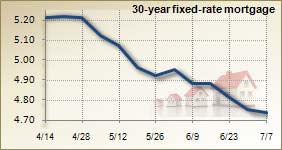
Mortgage rates have fallen again to a near record low. You would think that people would be rushing out to refinance their mortgages and to some extent they have been. Applications for refinancing grew by 9.2 percent last week.

The dilemma is that people who would benefit by these lower rates are not the ones that are getting the new loans. With record unemployment rates, people have gotten into the situation where they now don’t qualify for these loans. Even if they have managed somehow to keep  current on all payments due to lenders and credit card companies, their employment history knocks them out of the game.

If you have changed professions, which many people have been forced to do, you need a two year record of proven income to be considered for refinancing. Even with record-low mortgage rates, there just aren’t a lot of qualified borrowers.

Rates From Mortgage Bankers Association

In California, one homeowner has not made a mortgage payment for seven months and has not been subject to foreclosure yet. “We have 19 million vacant housing units in the United States, and I’m afraid it’s going to put some more of them on the market,” says Ted C. Jones, chief economist for Houston-based Stewart Title.

Financial analysts predict that mortgage rates will rise soon over the next week. Mostly because they feel it really can’t go much lower.


Filed Under: Mortgages Tagged With: money management

Getting Out of Debt

June 19, 2010 By Sherry Tingley

Debt is the single largest self induced headache one can have. We do it to ourselves and we don’t realize the consequences we will pay. When we justify spending money that we don’t currently have, it is like taking a shovel and digging a deep debt hole for ourselves.

Credit card debt is like a cancer. At first you don’t even notice how far down the hole you are going. It starts of small and over time it creeps up on you and before you know it you are thousands of dollars in debt. There are a myriad of excuses that we use to tell ourselves that just this one time, it won’t hurt or I’ll have money next week, the week after that or next month or the next raise. Many of these projections into the future never come true.

The truth is, there are times that using our line of credit is necessary but the problem is, those times aren’t clearly understood by a lot of people. If you don’t understand the difference between needs and desires, you may throw caution to the wind and start digging your debt hole bigger. True emergencies can arise where using our line of credit is our only choice. If that is the case, then the need should truly be necessary for our physical survival and not our mental health survival.

It has often been said that all people are one illness away from bankruptcy. Medical emergencies constitute many of life’s unplanned expenditures. Make sure you have insurance to prevent this from destroying your financial stability.


Filed Under: Debt, Debt Reduction, Money Management Tagged With: Debt, money management, Personal Finance

Free Personal Finance Credit Counseling

June 8, 2010 By Sherry Tingley

When people get into financial trouble by living on their credit cards, failing to make credit card payments on time or hide credit card bills from their spouse or significant other, they need to seek help.

Tiffany Wagner - Certified Credit Counselor for AAA Fair Credit Foundation

Generally this help is needed at a time where there isn’t any money left over for additional expenses. Some people seek debt settlement companies. They can negotiate and reduce amounts owed, but they also get into trouble by advising you to stop paying your bills.

Where can you turn to get help from a non-profit organization? The AAA Fair Credit Foundation, founded by Preston Cochrane of Salt Lake City, Utah provides personal financial credit counseling at no charge. They give people help with budgeting and showing them the options they have to improve their lives. They have helped thousands of people learn to live debt free when they practice what the credit counselors advise them to do.

One of their counselors, Tiffany Wagner, was interviewed and gave some good insight into the financial problems many people have and how they overcome them. Read the results of the interview below.

Why Do People Seek Credit Counselors?

Sixty to seventy percent of the people who come in have dug themselves into a hole they feel they can’t crawl out of.  Most people come to see a credit counselor because they don’t budget carefully and they live beyond their means. They don’t know how to manage their money properly. Many people make a decent amount of money or they make enough to live within their means. Their problem is generally a lack of budgeting.

People get into trouble when they think they don’t have enough money and then they start to live off their credit cards.  They haven’t taken a critical look at their budget to see where they could save money. They haven’t identified the expenditures they could live without.

Economic factors like losing a job brings people in. Construction workers seem to be especially hit hard with the lack of building and remodeling going on.

What Are Considered ‘Worst Financial Habits’?

Some people bring in their unopened bills hoping to get help in organization and finding out where they are financially. Some of these bills have been unopened for six months. The consequences of not paying attention to your bills are astounding. Ignoring bills might seem like the most comfortable option but it is never a good strategy for building wealth.

What Are Your Best  Personal Finance Tips?

The best thing we do is to give people a budgeting plan to get themselves out of debt. Their success really depends on the person and  how motivated they are to get out of debt. A lot of people are not willing to give up their life style and cut back on expenses. If they aren’t willing to give up something, whatever it may be for that individual client, then there is not a lot we can do to help them.

When you go to a doctor and get a cancer diagnosis are you going to do anything about it?  Will you seek treatment? Will you change the way you live? What will you do? Financial problems aren’t typically a life or death situation, but there are some similarities. The solution requires you to act and make changes.  Your success depends on what you are willing to do to get yourself out of the situation. A lot of people are not willing to give up anything. If you don’t act on getting your budget within your means, the hole you are digging will get deeper and deeper.

How Many People Take Credit Counseling Advice?

About one out of five people actually do something with the information they are given. They are the people that make credit counseling rewarding. They are the ones who say, I wish I had known about you six months ago.

Where Can I Find A Credit Counselor?

AAA Fair Credit Foundation offers services in forty-four out of 50 states. You can go to their website to find a counselor near you.

The benefits of seeking help can give you a feeling of personal relief and improved family life, by reducing the tension and stress of debt problems. Do something about your problems today.

Filed Under: Featured, Money Management Tagged With: money management

5 Things You Should Do To Avoid Financial Difficulties

May 17, 2010 By Sherry Tingley

Getting into financial difficulties is never fun, but it happens to many people. A job loss, a health problem, and numerous other issues can be going on in your life that contribute to these problems. During these times, you’ll need to have good money management strategies in place to help you get through the storm.

finanical-difficulties
Pay off your debts before your purchase looks like this.

1 – No Debt No Matter What

Never believe that a little debt is o.k. even though it may seem manageable at the time. Debt is like cancer. It’s not life threatening at first because it’s small and only involves a few cells. Over time though it can rapidly multiply until it takes over. You become a slave to your debt. It rules your life.

2 – Avoid cosigning on a loan

No matter how easy this can be, you’ll be better off if you don’t do this. Think of the worst case scenario and that is how you may suffer. Don’t loan others money. You are not helping them by letting them avoid responsibility for themselves.

3 – Learn About Financial Products

Resources For Learning About Financial Products
Financial Products

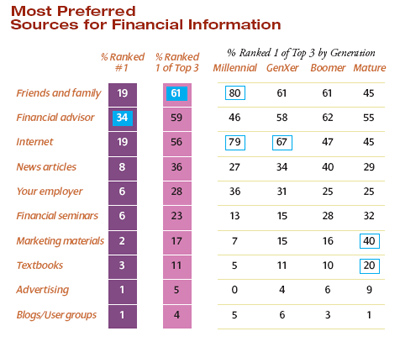
Prudential Financial did a study about women and finances. Three quarters of the 1,088 women interviewed feel they need help in making financial decisions. Two thirds of the Baby Boomers are behind when it comes to saving for retirement. Six in ten women prefer learning about financial products through family and friends. Women who get a good financial advisor, find extra help in getting on the right track to preparing for retirement.

4 – Avoid Impulse Buying

If you are tempted to purchase things that you hadn’t planned on, give yourself some time to think about the purchase, especially if it is a large purchase.  Go home and think about it overnight. You’ll make better buying choices.

5 – Avoid The Sales Rationale

Some people purchase things just because they are on sale. They tell themselves that they are saving money. If you buy a $500 item on sale for $400 you aren’t saving $100 if you didn’t need it in the first place. You are just spending $400 unnecessarily. This rationale can happen at any level of spending, whether it’s a $10 item or a $1,000 item.

If you find that you are experiencing any of these danger signals, do something different today.

Danger Signals To Watch For

  • Is an increasing percentage of your income going to pay off debts?
  • Are you near or at the limit on your lines of credit?
  • Do you worry a lot about money?
  • Are you tapping your savings to pay current bills?
  • Is your savings inadequate or nonexistent?
  • Do you put off medical or dental visits because you can afford them?
  • Are you working overtime to make ends meet?
  • Has your car been repossessed?
  • Are you unsure about how much you owe?

Your financial future is up to you. What you do with your time and money is going to affect you and everyone who depends on you. Use the resources available to you to help you make better financial decisions.

An investment in knowledge pays the best interest. ~ Benjamin Franklin

Filed Under: Money Management Tagged With: money management, Personal Finance

Learn From Money Saving Experts

May 12, 2010 By Sherry Tingley

Managing money is a lifetime skill that is learned from someone, whether it is a family member or through reading and educating yourself about it. What is interesting is that your sense of self worth actually can empower you to be better at managing your money and saving money.

According to financial expert, Suze Orman, you alone are the power behind your money management skill. You make the choices to spend, save or borrow money. What is going on in your mind is what is controlling your financial security.

Sonja Lyubomirsky, Ph.D, wrote a book called The How of Happiness. She highlights five steps to happiness which can also apply to developing better money management skills.

Sonja Lyubomirsky The How of Happiness Book
The How of Happiness

Step  1 – Cultivate optimism – When you choose to believe in a future that is positive for yourself and your loved ones, you create pictures in your mind about how you want your life and your finances to be.  Optimism helps anyone get through the day. Suffering from negative thoughts is just that. You are suffering. Try everything you can think of to bring back optimism into your life.

Step 2 –  Invest In Social Connections – In your personal life, do something for someone else and continue doing random acts of kindness. In your financial life, when you make good connections with people by getting to know them and serving them, your sense of well being will improve and who knows, maybe you’ll get a referral to just the job you were dreaming about.

Step 3 – Let Go Of The Negative – If you are flooded with negative thoughts, write them down and develop some solutions to fix the problems. If you can’t stop thinking of them ask yourself, “What negative thought can I let go to make room for more happiness, more financial security, more abundance? Letting go or coming to peace with yourself that you have done everything you can to solve the problems, will bring relief and contentment. You may even come up with new ways to attack the problems you have.

Step 4 – Finding Meaning In Adversity – Everyone has gone through adversity in their lives whether it is in relationships or in their financial lives. What exactly have these experiences taught you? Have you learned from your failures? Gaining the strength to become debt free will teach you what you need to do to stay that way and give you a sense of control over your financial future.

Step 5 – Learning To Let Go – Past hurts, past mistakes, past failures are well, in the past. Over time you are better off letting go of these pains and forgiving yourself or others for their part in your personal or financial pain. Letting go of these means you have forgiven and when you forgive, your soul returns to the loving state it began with. Letting hatred and bitterness take over your life will not leave you room to grow and learn new things.

In conclusion, these five steps can help you achieve peace in your financial life and peace in your personal life. The power to control your future depends on your attitude and desire to reach your goals. As Suze Orman often says, “Self-Worth builds NET WORTH.”

Filed Under: Money Management Tagged With: money management, save money

  • « Go to Previous Page
  • Page 1
  • Interim pages omitted …
  • Page 35
  • Page 36
  • Page 37
  • Page 38
  • Page 39
  • Interim pages omitted …
  • Page 43
  • Go to Next Page »

Primary Sidebar

Personal Finance Articles

  • Make Saving A Priority
  • Review Your Home-Insurance Risks
  • Lowest Air Fare? Try August 28
  • Hackers Targeting Bitcoins
  • Keep Your Emergency Fund Intact

Save At Walmart

Search

Personal Finance Education

Investing Education from Morningstar.

As Seen On Intuit

Intuit.com has ranked Coolchecks.net #4 out of 10 of the best blogs to help you save money. We hope to help you become more aware of your own financial situation and strive to improve it.

Featured On Mint.com – July 2014

Mint Interview

Categories

  • Banking
    • Check Writing
    • Checking Accounts
    • Credit Cards
    • EMV Cards
    • Fees
    • Fraud
    • History
    • Student Loans
  • Best Of The Web
  • Budgets
    • Emergency Fund
    • Grocery Shopping
    • Saving Money
    • Spending Habits
  • Business
    • 3D Printing
    • Bankruptcy
    • Business Advertising
    • Business Development
    • Business Plans
    • Corportate Lessons
    • Data Mining
    • Legal Issues
    • Merchants
    • SEC
    • Security
    • Small Business Startups
  • Consumer Alerts
  • Cryptocurrency
  • Cutting Costs
  • Employment
    • best places to work
    • Careers
    • Interviews
    • Job Search
    • Top CEOs
    • Wages
  • Entrepreneurs
    • Attitudes
    • Entrepreneur Interviews
  • Featured
  • Finance
    • Automobiles
    • Credit Ratings
    • Education
    • Financial Planners
    • Foreclosures
    • Homes
    • Insurance
    • Investing
    • Mortgages
    • Personal Finance
    • Renting
    • Term Deposits
    • Travel
    • Work
  • Fraud
  • Government
  • Holidays
    • Christmas
    • Halloween
  • Internet
    • Bitcoin
    • Blogging Tips
    • Blogs, RSS and Podcasting
    • Databases
    • Facebook
    • Influence
    • marketing
    • Twitter
    • Website Reviews
    • WordPress
      • Key Words
  • Investing Basics
    • Hedge Funds
    • Investing
    • Mutual Funds
  • Life
    • Aging
    • Just For Fun
      • Punahou Alumni Corner
    • Millennials
    • Personal Health
  • Money Making Ideas
    • Affiliate Programs
    • Craigslist
    • Ebay
  • Money Management
    • Bankruptcies
    • Building Wealth
    • Child Care Costs
    • Christmas Shopping
    • Credit
      • Free Credit Report
    • Debit Cards
    • Debt
    • Debt Reduction
    • Health Insurance
    • Income
    • Inheritance
    • Interest Rates
    • Loans
    • Mortgages
    • New Years Resolutions
    • Retirement
    • Shopping Tips
    • Tax Strategies
    • Your Stories
  • Retirement
  • Self Improvement
    • Time Management
    • Work Habits
  • Shopping
    • Coupons
    • Online Shopping
  • Social Security
  • Tax Tips
  • Taxes
  • Technology
  • Trade
  • Uncategorized
  • Wealth

Best of Personal Finance Blogs

Best of BuyerZone Business Finance Blog Recipient

Personal Finance Sites We Recommend

Get personal finance advice from the people behind the top money blogs, including Wise Bread, The Simple Dollar, Mint and Nerd Wallet.

Copyright © 2026 ·Metro Pro · Genesis Framework by StudioPress · WordPress · Log in