• Skip to primary navigation
  • Skip to main content
  • Skip to primary sidebar
  • Money Management
    • Debt Reduction
    • Credit
    • Mortgages
    • Mutual Funds
    • Tax Strategies
    • Loans
  • Budgets
    • Saving Money
    • Income
  • Banking
    • Checking Accounts
    • Check Writing
    • Fraud
    • History
  • Entrepreneurs
    • Entrepreneur Interviews
    • Money Making Ideas
    • 3D Printing
  • Resources
  • Retirement
  • About
    • Privacy Policy

Personal Finance Blog

Tips And Stories To Help You With Managing Money

  • Privacy Policy
  • Saving Money In 2018
You are here: Home / Archives for Money Management

Money Management

Retirement Wisdom From An Expert

July 20, 2016 By Twila Van Leer

Expert advice for successful retirement.
If anyone knows how successful retirement works, it’s Warren Buffet. Over a lifetime he has become a hallmark of profitable market investment. A recent article in The AARP Magazine shares 10 keys to his success.

Keep A Cash Reserve

Keep a reserve of cash for emergencies and for unexpected opportunities. A rainy-day provision is essential, especially as retirement looms. The end of a regular paycheck means changes in cash needs. Now you must rely on Social Security and whatever other nest egg provisions you have made over your work career. Embellish your emergency fund to take care of any financial challenges. Tap the fund to respond to lucrative investment opportunities.

Invest In Companies That Provide Essentials

Boring companies don’t get any attention at parties, but you may find that there are great long-term returns from companies in more mundane industries. You may think, for instance, that toilet paper, baby diapers and soap are not exciting investments, but Buffett has successfully invested in Procter & Gamble, which has become a world leader in this market segment. Those who put $1,000 into P&G stock in 1986 and reinvested their returns would have more than $32,000 to show for it today. Boring companies who become tops in their industry niche often provide better rewards to shareholders than attention-grabbing upstarts.

How Effective Is The Brand?

Brand loyalty is something to look for in wise investments. Loyal customers will pay more for a product they like. Coca Cola is an example. The logo is known around the world, making it the third most valuable global brand in 2015. Its initial success as a soda drink has financed its expansion into other marketing areas. Invest in strong brands to get larger returns.

Look For Good Fund Managers

Good management is a keynote of successful businesses. Buffett notes that most companies eventually have to survive a bad manager, but when there is a great leader, the company prospers. He points to the outstanding examples of Bill Gates at Microsoft, Steve Jobs at Apple and Jeff Bezos at Amazon. A great manager and a strong business model is an unbeatable combination.

Learn From Your Mistakes

Avoid mistakes, but learn from them. Even Buffett admits to investing mistakes. He experienced a loss of about $450 million in a Tesco investment when the company fell afoul of accounting problems. When such things happen, the best way to recoup is to study what went wrong. Search out the warning signs, suck up the loss and use the information to avoid further market losses. Keep a record of mistakes and they’ll be a guide to better investing.

Stick With What You Know

Stick with what you know. The investment market is huge and intimidating, but Buffett believes you can succeed without being an expert. He avoided the technology revolution in the 1990s and so did not lose big in the tech bust that followed. If you are more familiar with particular areas of the market, put your money there.

Increase Your Buying Power

Look for what will increase your buying power over time. Investments that produce consistent income and steady growth are best. In 2011, Buffett looked at gold as an example of a non-income producing asset, overshadowed by such investment opportunities as croplands and petroleum companies. Retirees benefit in particular from income-producing investments that keep up or hopefully exceed inflation and that provide sustained purchasing power.

Buy At The Right Price

Don’t overpay. Even if a company is successful, a share price that is too high is a bad investment. Wait until an industry has settled before investing. Buffett waited on investing in energy companies until stock prices plunged after the decline in oil and natural gas prices. Make a watch list of interesting stocks and see if valuations fall to more suitable levels. Patience is a virtue in the world of investments.

Use A Buy-And-Hold Approach

Don’t make the same decision over and over again. When you are frequently trading, it increases the chances for missteps. The buy-and-hold approach puts more emphasis on what stocks you purchase in the first place. You may not want to hold a stock forever, but minimize the number of decisions you have to make. The more opportunities you allow yourself to make mistakes, the more mistakes you’ll make.

Look For The Spirit Of Innovation

Don’t avoid revolutionary investments. The business world is full of visionary individuals looking for ways to improve things. One for-instance is the forward momentum at General Electric, a long-time leader in world business. The company saw the opportunity for snapping up a leadership role in the wind energy and turbine business and became a pioneer in the renewable energy industry. Look for the spirit of innovation as an indicator of strong investment possibilities.


Filed Under: Building Wealth, Investing, Retirement Tagged With: Investing, money management, Retirement, Saving Money

Emergency Savings Tips

July 7, 2016 By Twila Van Leer

Make sure you rebuild your emergency savings if you've had to use it.
Make sure you rebuild your fund if you’ve had to use it.

Using your emergency savings to pay off credit card debt may look like a good idea at first glance, but there are some things to consider, according to Jean Chatsky of Bankrate.com.

Size Of Debt

If the size of the fund meets or exceeds the amount of the debt, it may be all right, but you should then begin to rebuild the emergency cushion. Then if the emergency comes, you are still ready.

Use Fund Not Credit Card For Emergencies

Using the emergency stash is preferable to having to meet an emergency with a credit card, Chatsky says.

Rebuild Fund When Used

If for whatever reason, paying off debt or meeting an actual emergency, your cushion is depleted, start immediately to build it up again. Set a goal and faithfully infuse new funds into it. Think of three categories: minor emergencies such as small car or home repairs and health care deductibles. Major repairs and having to meet a health care max would fall into the second category. Job loss is the third unexpected calamity that might demand that you dip into the emergency fund.

Emergency Savings Calculator

The old goal of saving enough to pay expenses for six months is a rule of thumb, but you may want to assess your own situation and make an upward adjustment. HelloWallet has a calculator to guide you if you need help making an analysis. Bankrate also has an emergency savings calculator.

Automatic Transfers

If you use a calculator and the recommended savings seem beyond reach, begin with the small emergency category, then move up as you are able. Reaching small goals gives you incentive to work for a higher level. Automatic transfers from your bank account into your emergency fund is one way to alleviate some of the pain. Don’t give yourself the opportunity to spend what you intended to save. If you wait until the end of the month to cough up the emergency fund payment, it is less likely to happen.

Bottom line: An emergency account is essential to a healthy personal finance scheme. Give it some priority.

Filed Under: Debt Reduction, Emergency Fund, Saving Money Tagged With: Budgeting, emergency fund, money management, Saving Money

Medicare Fraud Over $60 Billion

June 29, 2016 By Twila Van Leer

Medicare fraud caused over $60 billion in fraud every year.
Medicare loses over $60 billion in fraud every year.

Medicare Fraud Extensive

Medicare fraud is a huge problem. Thousands of older Americans depend on Medicare to help them meet medical expenses, but fraudsters are taking a big scoop from the federal funds before they get to legitimate health care providers, a recent article in the AARP Bulletin says.

Medicare Fraud Causes Multi-billion Dollar Losses

Medicare fraud is estimated to cause more than $60 billion per year. In one very infamous case, a Texas thief methodically siphoned some $375 million from the fund over a five-year period, using a variety of methods. That man now faces life in prison, but the heavy toll taken by unscrupulous people continues to scrape billions from the heath care program.

Fraud Tactics

Fraud and abuse involves such tactics as phantom outpatients, “ghost” clinics, undelivered services, over-billing and identity theft using Medicare information, the AARP reported. The problem is so large the program’s administrators don’t even have a reliable bottom line or a methodology for arriving at the fraud rate. Many experts believe the $60 billion estimate may be too low. They say that fraud could suck off up to 30 percent of the $600 billion per year the program spends.

Large Size Opens Door To Fraud

The problem lies partly in the sheer size of the program, according to Shantanu Agrawal, who is quoted in the AARP article, He is director of program integrity at the Centers for Medicare and Medicaid Services (CMS). He points out the number of claims made every day in the huge system – some 4.5 million. More than a billion dollars are paid out every day.

That volume inherently opens the door to fraud, he said. “We are larger than the largest private payers in the country.” In addition, Medicare is a much more open system than the majority of private payers. Laws required that Medicare admit providers who meet a base set of requirements. They are then allowed to treat patients and bill for those services.

Pre-paying

CMS is trying several methods to ferret out fraud. One approach is by making provider reviews on a pre-pay basis, withholding payment until the applicant has been approved. The agency has made tens of thousands of site visits over the past two years in an effort to close down “false storefronts.” Working with private payers by exchanging data that may identify irregularities has saved the program hundreds of millions, Agrawal said.

Identifying Fake Doctors

The agency also has been more successful in identifying fake doctors. New tools provided by the Affordable Care Act make inroads into the number of unlicensed fraudulent providers. Connections have been made among more than 100 different databases on the state and federal levels. More than 500,000 providers have been removed from the billing system through this effort, he said.

Effects On Medical Research

It is not only patients and legitimate health care providers who suffer from Medicare fraud, experts point out. Medical research that relies on billing data, hospital rankings and cancer studies can be skewed by fraudulent reporting. In some instances, patient deaths have been attributed to fraudulent care.

Legitimate providers are increasingly blowing the whistle on those that they are aware are scamming the system., but they take a risk of repercussions if a case goes against their charges.

Under pressure from critics, program administrators are tightening their oversight, but the challenge is huge and growing.

Filed Under: Fraud, Retirement, Social Security Tagged With: Fraud Prevention, Saving Money, social security

Medicare Benefits That May Help

June 28, 2016 By Twila Van Leer

Medicare benefits that are helpful.
Find eight ways Medicare benefits can benefit you.

Medicare Benefits

Learning about the benefits of medicare can be a daunting process. In the words of Jaryn Laengrich, chief service officer at Cariloop, a Medicare service to help people caring for elderly persons, it is a “sprawling, complicated piece of law” that can be baffling. She notes these little known medicare services that the eligible may find useful.

Medicare Annual Wellness Screening

Medicare benefits allow you an annul wellness screening by a primary care physician. The objective is to prevent illness where possible. It includes an extensive appointment with a thorough review of the patient’s medical history. An Alzheimer’s screening is part of the exam if the physicians thinks it necessary. The wellness screening is offered through Part B.

Alcoholism Screening

Screening and counseling for alcohol misuse. Widowers over the age of 75 have the biggest problem with alcoholism, according to the National Council on Alcoholism and Drug Dependence. More of those in this demographic are hospitalized with alcohol-related problems than for heart attacks. Annual screening is allowed by Medicare, if performed by a primary care physician. Four counseling sessions will be compensated, as well.

Balance Screening

Falls are a serious problem among the elderly. Medicare B will pay for 80 percent of a thorough screening to determine if balance is a problem and what might be the cause.

Obesity Counseling

Those enrolled in Medicare Part B. who have a body mass index score of 30 or higher may receive counseling in a primary care setting. The program also will pickup a major part of the cost of bariatric surgery aimed at reducing obesity. The amount depends on a patient’s Medigap supplement plan.

Shingles Vaccination

Shingles is a painful and distressing disease that can strike anyone who had chicken pox as a child. The coverage is included in Medicare Part D, which provides for medications.

Diabetes Self-Management Training

Medicare pays 80 percent of the cost of 10 training sessions, including one one-on-one visit with a specialist. The remainder are small-group sessions. The intent is to improve diabetes management. The disease can be debilitating and cause severe effects.

Hearing Tests

Although Medicare won’t pay for hearing aids, it will cover examinations to determine hearing loss. Efforts to get hearing aid coverage have failed to pass muster in Congress because of the scope of the problem. An estimated 37 million Americans suffer some hearing loss, but only 30 percent need hearing aids.

Hospice Care

Many Medicare recipients are not aware that they are eligible for end-of-life care. It is focused on palliative treatment, and is available only to those who are believed to be within six months of death. The patient must agree to forego treatment aimed at curing. Care usually is provided in the patient’s home and involves a team that includes a physician, nurse, social worker, chaplain and volunteer. The objective is to provide as much comfort care as necessary for the patient in his or her final days.

Filed Under: Health Insurance, Personal Health, Retirement Tagged With: health, health insurance, medicare, Retirement

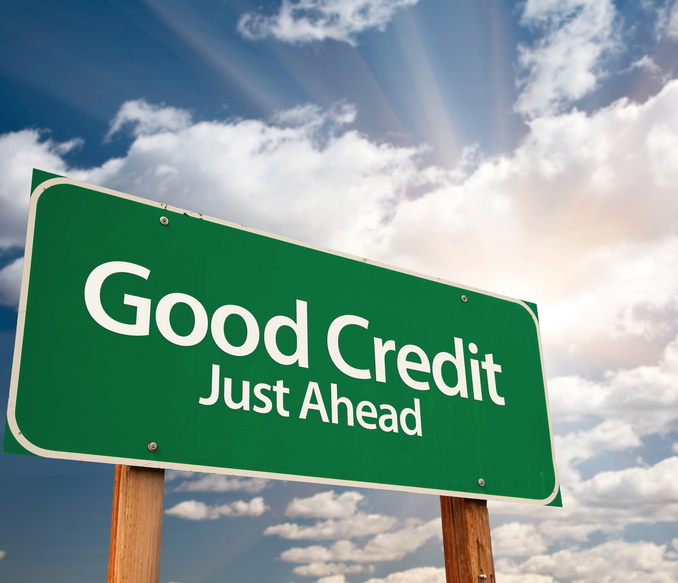
The Credit Elite Have Savvy Habits

June 23, 2016 By Twila Van Leer

Payment history most important factor used to determine overall score.
Ever yearned to be part of the “Credit Elite,” those whose credit ratings are up the 800-850 range as determined by the rating agencies? That kind of credit almost assures that you will be approved for loans and likely enjoy lower interest rates.

Those in the 800-plus range know that it doesn’t happen by chance. They make particular credit habits part of their regular personal finance strategies. Here are some of their suggestions:

Pay On Time

Without exception, pay on time. The payment history is the single most important factor that the agencies use to determine your overall score, being some 35 percent of the total. If you miss a payment or make one late, it has a negative effect.

Keep Balances Low Or Paid Off

Keep a rein on credit card balances. The size of the balance relative to the card limit is a factor. The best credit is generated by using less than 10 percent of the allowable limit.

Low Number of Credit Cards

Limit your credit accounts. Applying often for new credit can affect your bottom line. That activity represents 10 percent of the credit agency’s total. If you make frequent inquiries about new cards, for instance, trying to find the best mix of perks, it could have a negative effect. Try to get the right mix into place, then stand pat. A mix of debt, including credit cards, auto loans, mortgages, student loans, etc., all deftly managed, will impress the rating companies.

Don’t Spend More Than You Make

Live within your means. Overextending yourself financially will come home to roost. Don’t use credit to overspend. A solid, long-term credit history will keep your score in the range you want. The older your accounts become without serious lapses, the more they count. Stability is a factor when you’re looking at the 800 rankings.

Staying on course is important. Consistency is key to a good credit score. A small lapse can have a reverse effect. Make good credit a habit and stay on course. Check your credit score periodically and monitor your progress toward the elite standing.

Filed Under: Credit, Credit Cards, Debt, Money Management, Spending Habits Tagged With: credit cards, credit score, Debt, money management

  • « Go to Previous Page
  • Page 1
  • Interim pages omitted …
  • Page 11
  • Page 12
  • Page 13
  • Page 14
  • Page 15
  • Interim pages omitted …
  • Page 43
  • Go to Next Page »

Primary Sidebar

Personal Finance Articles

  • Make Saving A Priority
  • Review Your Home-Insurance Risks
  • Lowest Air Fare? Try August 28
  • Hackers Targeting Bitcoins
  • Keep Your Emergency Fund Intact

Save At Walmart

Search

Personal Finance Education

Investing Education from Morningstar.

As Seen On Intuit

Intuit.com has ranked Coolchecks.net #4 out of 10 of the best blogs to help you save money. We hope to help you become more aware of your own financial situation and strive to improve it.

Featured On Mint.com – July 2014

Mint Interview

Categories

  • Banking
    • Check Writing
    • Checking Accounts
    • Credit Cards
    • EMV Cards
    • Fees
    • Fraud
    • History
    • Student Loans
  • Best Of The Web
  • Budgets
    • Emergency Fund
    • Grocery Shopping
    • Saving Money
    • Spending Habits
  • Business
    • 3D Printing
    • Bankruptcy
    • Business Advertising
    • Business Development
    • Business Plans
    • Corportate Lessons
    • Data Mining
    • Legal Issues
    • Merchants
    • SEC
    • Security
    • Small Business Startups
  • Consumer Alerts
  • Cryptocurrency
  • Cutting Costs
  • Employment
    • best places to work
    • Careers
    • Interviews
    • Job Search
    • Top CEOs
    • Wages
  • Entrepreneurs
    • Attitudes
    • Entrepreneur Interviews
  • Featured
  • Finance
    • Automobiles
    • Credit Ratings
    • Education
    • Financial Planners
    • Foreclosures
    • Homes
    • Insurance
    • Investing
    • Mortgages
    • Personal Finance
    • Renting
    • Term Deposits
    • Travel
    • Work
  • Fraud
  • Government
  • Holidays
    • Christmas
    • Halloween
  • Internet
    • Bitcoin
    • Blogging Tips
    • Blogs, RSS and Podcasting
    • Databases
    • Facebook
    • Influence
    • marketing
    • Twitter
    • Website Reviews
    • WordPress
      • Key Words
  • Investing Basics
    • Hedge Funds
    • Investing
    • Mutual Funds
  • Life
    • Aging
    • Just For Fun
      • Punahou Alumni Corner
    • Millennials
    • Personal Health
  • Money Making Ideas
    • Affiliate Programs
    • Craigslist
    • Ebay
  • Money Management
    • Bankruptcies
    • Building Wealth
    • Child Care Costs
    • Christmas Shopping
    • Credit
      • Free Credit Report
    • Debit Cards
    • Debt
    • Debt Reduction
    • Health Insurance
    • Income
    • Inheritance
    • Interest Rates
    • Loans
    • Mortgages
    • New Years Resolutions
    • Retirement
    • Shopping Tips
    • Tax Strategies
    • Your Stories
  • Retirement
  • Self Improvement
    • Time Management
    • Work Habits
  • Shopping
    • Coupons
    • Online Shopping
  • Social Security
  • Tax Tips
  • Taxes
  • Technology
  • Trade
  • Uncategorized
  • Wealth

Best of Personal Finance Blogs

Best of BuyerZone Business Finance Blog Recipient

Personal Finance Sites We Recommend

Get personal finance advice from the people behind the top money blogs, including Wise Bread, The Simple Dollar, Mint and Nerd Wallet.

Copyright © 2026 ·Metro Pro · Genesis Framework by StudioPress · WordPress · Log in