• Skip to primary navigation
  • Skip to main content
  • Skip to primary sidebar
  • Money Management
    • Debt Reduction
    • Credit
    • Mortgages
    • Mutual Funds
    • Tax Strategies
    • Loans
  • Budgets
    • Saving Money
    • Income
  • Banking
    • Checking Accounts
    • Check Writing
    • Fraud
    • History
  • Entrepreneurs
    • Entrepreneur Interviews
    • Money Making Ideas
    • 3D Printing
  • Resources
  • Retirement
  • About
    • Privacy Policy

Personal Finance Blog

Tips And Stories To Help You With Managing Money

  • Privacy Policy
  • Saving Money In 2018
You are here: Home / Archives for Money Management

Money Management

Five Questions To Ask About Debt

September 14, 2017 By Twila Van Leer

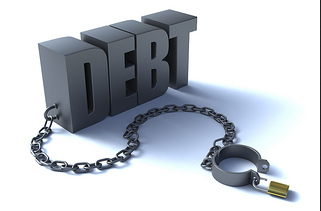
Debt Questions
Failure to clarify questions can cause confusion and needless worry
Debt is a subject that many people find difficult to discuss. But the failure to clarify questions can cause confusion and needless worry.

A recent USA Today story listed these five questions that are common among debtors and the answers:

Will my debt ever get so old I don’t’ have to pay it? Many debt types, including credit card and medical bill balances, have a statute of limitations. The guidelines vary from state to state, but in general, these debts are dropped three to six years from the first missed payment or most recent payment. After seven years in most cases, the negative reports fall off your credit rating. But the debt is still collectible and you could be dunned by debt collectors. However, they are not able to sue you.

When family members die, might I be stuck with their debt? How the death of the debtor affects the debt varies, including how dependable the finances are of the person who might then become liable. The assets of the deceased may have to go toward paying off debt. The creditor has to absorb the loss if there is not enough to cover the debt. If you co-sign on a debt, chances are you will be liable if the major debt holder dies. Co-signing on mortgages and other loans may make you responsible. Don’t co-sign on credit accounts unless you have enough life insurance to cover the debt.

Can I be arrested for debt? Federal law prohibits debt collectors from threatening you with arrest or jail. Some collectors may threaten you with an arrest warrant but it’s uncommon. But you can be sued. About 90 percent of those sued for debt fail to appear in court, leading to a default judgment ordering repayment. Ignoring a court summons is a mistake. The court may order that payments be made directly from your wages or bank account.

Is there a maximum amount of debt I can accrue? No. Lenders may offer more credit than you can reasonably repay. Debt may be necessary to purchase a home or to build a business, but be realistic about your ability to repay. Avoiding the issue is easier than dealing with it after the fact.

Will bankruptcy erase all my debt? Some debts, including alimony and child support, cannot be erased by bankruptcy. Student loans, tax debt and judgments also are difficult, though not impossible, depending on the circumstances. If you are buried in debt and struggling to stay afloat, consult a credit counselor (there are those who are available through non-profit agencies) to see if bankruptcy is the answer for you.


Filed Under: Debt

Small Businesses Look At Health Care Costs

October 26, 2016 By Twila Van Leer

Rising Healthcare Costs & High-Deductible Insurance Coverage Increasingly Lead Consumers to Negotiate Medical Costs
Autumn. That wonderful time of year for colorful trees, an abatement of unbearably hot weather and the return of children to their schools. For small business owners, the season also means a return to the anxious wait to see if their health insurance rates for employees will go up. And if so, by how much?

Their 2017 premiums could see just minor adjustments upward, or could jump by double-digit figures and for many of the companies that operate on a small margin, it could be the breaking point. Finding workers to man positions in the small companies often depends on being able to provide health insurance.

Prescription Drug Costs

Factors that enter into the health care issue include in which state the business is located and how much its carrier paid in claims in the previous year. But pin the greatest cause of rising health care costs on increasing prescription prices. It’s an issue that has risen to the level of national concern among lawmakers.

Companies with 50 or more employees are required by law to provide employee health insurance. Many smaller businesses do it because they think it is the right thing to do and because it’s a perk that draws better qualified employees.

Health Care Managers

When carriers up their charges, the small business operators sometimes have to decide if they must scale back coverage or find other alternatives. Many companies hire a manager to deal with health care issues. The managers prefer companies that have self-funded plans. Such plans sidestep the 6.5 percent federal tax on premiums.

12% Rise In Cost

Self-funding has inbred risks, but with the costs of commercial coverage rising at the rate of some 12 percent per year, it is an option more employers are considering. Unexpected fluctuations keep the pot boiling. An unexpected drop of 11 percent in premiums had a small businessman in Las Vegas scratching his head, since nothing in his figures had drastically changed. He didn’t ask questions, but took the windfall and added vision coverage to the plan for his employees. Other business owners have simply had to dig deeper to provide the coverage for their workers.

Filed Under: Health Insurance Tagged With: health care

Health Care Spending Per Person Hits New High

October 10, 2016 By Twila Van Leer

Rising healthcare costs are a big concern.

Health Care Problem For New President

Whoever wins the current presidential election will inherit a scary health care reality when he/she takes office. For the first time in history, health care spending in America has topped, on average, $10K per person. That means the new president will be stuck with an unprecedented problem in how to provide the health care that was initiated during the Obama years.

Increase In Total Cost

The bean counters in the Department of Health and Human Services announced the new high last month and predicted that the total cost will increase by 5.8 percent annually from 2015 to 2025. That’s less than the increases from 2007-09, just before the Great Recession, but faster than in the post-recession years, when health care spending kept pace with modest economic growth.

Average Per Person

The per-person average of $10,345 is part of the $3.35 trillion total in health care expenditures expected this year. The annual increase for 2016 is expected to be lower than the forecasts for the rest of the decade.

Attributing Factors

DHHS experts attribute the rise to a stronger economy, faster growth in medical prices and an aging population. The Medicare and Medicaid programs that provide for the elderly and needy are both expected to see new demands as the baby-boomers shift into these categories. By 2025, the experts say, government spending at all levels will account for nearly half of all health care expenditures, an estimated 47 percent.

Obamacare

If Obama’s health care reforms survive attacks from the Republicans, the experts project that more than 90 percent of Americans will have some form of medical insurance.

Republican and Democratic Plans

The figures are causing major angst for both major political parties. Republican nominee Donald Trump has declared he will do away with Obama’s plan while preserving Medicare and seeing that Americans are not “dying in the streets.” Democratic choice Hillary Clinton promises to expand government health care benefits.

Prescription Drug Costs

Both candidates say they will tackle the high costs of prescription drugs and the resultant drain on health care dollars. But the extension of benefits to millions of Americans through Obama’s plan will inevitably add to the overall total unless changes are made.

Out-Of-Pocket

The DHHS report, published in the journal Health Affairs, also predicts that Americans will pay more out-of-pocket for care as the number of people covered by high-deductible plans continues to grow.

Filed Under: Health Insurance, Money Management, Personal Health Tagged With: health, health care, money management

Building A Good Credit Score

October 8, 2016 By Twila Van Leer

Use card responsibly and pay each month's bill on time.
Use card responsibly and pay each month’s bill on time.
Building a good credit score doesn’t happen overnight. There are steps you can take to assure good credit from the outset and establish yourself on a positive note. They include:

Credit Reports

Check to see if you have a credit report. You could have established credit without being aware of it. For instance, if you have been authorized to use a family member’s credit, you might have a credit report. It is also possible that you have been a victim of identity theft, and that definitely needs to be cleared up before you start building credit in earnest. WalletHub is one site that offers credit reports and scores that are updated daily. If you find a report under your Social Security number, analyze it and if necessary, dispute errors, fraudulent accounts and negative records related to unauthorized use.

Get A Credit Card

Starting with a clean slate, open a starting credit card. It is usually pretty easy. There are some that don’t charge an annual fee or require you to incur debt as loans do. They report to the major credit bureaus on a monthly basis.

Three options for a starter card include student credit cards, general use cards for people with limited credit and secured credit cards. You have to have an active college or university email address to get a student credit card. A secured card offers the best opportunity to get guaranteed approval without the risk of overspending. The alternative to a starter card is a loan, usually for home, car, student use or other need that requires debt with interest.

Use Your Credit Card For 6 Months

Use the card responsibly for at least six months. That will generate a credit report and score. The score could range from bad to well above average, depending on what you did with the card and how well you paid. This first report is critical, because it puts you under the credit score microscope. Mistakes will be magnified beyond what they would be if you were a seasoned credit user.

Pay Bills On Time

Pay each month’s bill on time and keep your utilization of the card below 30 percent – 10 percent for the best result. Never use all the credit they extend to you. Setting up automatic payments from a deposit account is helpful in meeting these standards. Responsible handling of the initial card will help when you are ready to apply for a higher credit limit.

Study Your Credit Report

When you have a sense of how your initial foray into credit card use went, continue to study your credit report regularly. By looking at all of the components of the report, you can gain a sense of how the system works and be prepared for long-term credit use. You can learn to adjust course if any element of your report seems out of sync.

A responsible journey into the world of credit can set you up for life in what is an important element in ongoing personal finance.

Filed Under: Credit Cards, Free Credit Report, Spending Habits Tagged With: credit cards, credit score, money management

Pay Down Debt Or Build Savings?

October 7, 2016 By Twila Van Leer

The decision of what to do with left over money can be a serious one.
People who take personal finances seriously sometimes have a decision to make. If you have money left over after taking care of essentials, is it better to use it to pay down debt or put it into savings? It’s an ongoing debate with no absolute answer and you should make a decision based on your own personal situation and goals.

Factors to consider, according to financial planners, include the type of debt you are considering, the amount of interest you pay and how long your obligation will last.

Some advisers see debt as the fatal flaw in personal finance plans and they advise getting rid of it as quickly as possible. Consider the cost: As of late May this year, the average fixed interest rate on a credit card was 12.52 percent. Variable rate cards come with an even higher rate – 16.03 percent on average. That’s a compelling reason to opt for the pay-down-the-debt approach. Ultimately, having more money at the end of the process is a cogent argument.

Mortgages

Mortgages often are the largest debt a person or family carries. They don’t usually come into consideration in this debate. Mortgage interest rates generally are lower than those on consumer debt. Also, they are tax-deductible.

Retirement Savings

On the flip side, consider these facts about saving. The most frequent target of savings is retirement. Workplace plans that sometimes offer an employer contribution also make this option desirable. Look into 401(k) or 403(b) opportunities.

Such plans withdraw the employee’s money before it is considered income, so there are tax savings. The arguments for putting your money into retirement options is great since many Americans find themselves facing the rocking chair with not enough padding to live on.

Still there are those who argue that having a cushion for retirement while still dealing with debt is not a good place to be. Make your decision based on the facts of your personal finance picture.

Of course, there is no rule that says you can’t do a little of both. Looking for an adequate but not cushy retirement option while putting the rest of your excess into debt payment may be the road you want to travel, Run the numbers and make them fit your own circumstances. Either way, there is compounding to consider: The interest on either debt or retirement savings goes on just the same. Take that into consideration while you ponder the question. There’s a good middle ground for you.

Filed Under: Budgets, Debt, Debt Reduction Tagged With: Budgeting, Debt, Personal Finance

  • « Go to Previous Page
  • Page 1
  • Interim pages omitted …
  • Page 10
  • Page 11
  • Page 12
  • Page 13
  • Page 14
  • Interim pages omitted …
  • Page 43
  • Go to Next Page »

Primary Sidebar

Personal Finance Articles

  • Make Saving A Priority
  • Review Your Home-Insurance Risks
  • Lowest Air Fare? Try August 28
  • Hackers Targeting Bitcoins
  • Keep Your Emergency Fund Intact

Save At Walmart

Search

Personal Finance Education

Investing Education from Morningstar.

As Seen On Intuit

Intuit.com has ranked Coolchecks.net #4 out of 10 of the best blogs to help you save money. We hope to help you become more aware of your own financial situation and strive to improve it.

Featured On Mint.com – July 2014

Mint Interview

Categories

  • Banking
    • Check Writing
    • Checking Accounts
    • Credit Cards
    • EMV Cards
    • Fees
    • Fraud
    • History
    • Student Loans
  • Best Of The Web
  • Budgets
    • Emergency Fund
    • Grocery Shopping
    • Saving Money
    • Spending Habits
  • Business
    • 3D Printing
    • Bankruptcy
    • Business Advertising
    • Business Development
    • Business Plans
    • Corportate Lessons
    • Data Mining
    • Legal Issues
    • Merchants
    • SEC
    • Security
    • Small Business Startups
  • Consumer Alerts
  • Cryptocurrency
  • Cutting Costs
  • Employment
    • best places to work
    • Careers
    • Interviews
    • Job Search
    • Top CEOs
    • Wages
  • Entrepreneurs
    • Attitudes
    • Entrepreneur Interviews
  • Featured
  • Finance
    • Automobiles
    • Credit Ratings
    • Education
    • Financial Planners
    • Foreclosures
    • Homes
    • Insurance
    • Investing
    • Mortgages
    • Personal Finance
    • Renting
    • Term Deposits
    • Travel
    • Work
  • Fraud
  • Government
  • Holidays
    • Christmas
    • Halloween
  • Internet
    • Bitcoin
    • Blogging Tips
    • Blogs, RSS and Podcasting
    • Databases
    • Facebook
    • Influence
    • marketing
    • Twitter
    • Website Reviews
    • WordPress
      • Key Words
  • Investing Basics
    • Hedge Funds
    • Investing
    • Mutual Funds
  • Life
    • Aging
    • Just For Fun
      • Punahou Alumni Corner
    • Millennials
    • Personal Health
  • Money Making Ideas
    • Affiliate Programs
    • Craigslist
    • Ebay
  • Money Management
    • Bankruptcies
    • Building Wealth
    • Child Care Costs
    • Christmas Shopping
    • Credit
      • Free Credit Report
    • Debit Cards
    • Debt
    • Debt Reduction
    • Health Insurance
    • Income
    • Inheritance
    • Interest Rates
    • Loans
    • Mortgages
    • New Years Resolutions
    • Retirement
    • Shopping Tips
    • Tax Strategies
    • Your Stories
  • Retirement
  • Self Improvement
    • Time Management
    • Work Habits
  • Shopping
    • Coupons
    • Online Shopping
  • Social Security
  • Tax Tips
  • Taxes
  • Technology
  • Trade
  • Uncategorized
  • Wealth

Best of Personal Finance Blogs

Best of BuyerZone Business Finance Blog Recipient

Personal Finance Sites We Recommend

Get personal finance advice from the people behind the top money blogs, including Wise Bread, The Simple Dollar, Mint and Nerd Wallet.

Copyright © 2026 ·Metro Pro · Genesis Framework by StudioPress · WordPress · Log in