• Skip to primary navigation
  • Skip to main content
  • Skip to primary sidebar
  • Money Management
    • Debt Reduction
    • Credit
    • Mortgages
    • Mutual Funds
    • Tax Strategies
    • Loans
  • Budgets
    • Saving Money
    • Income
  • Banking
    • Checking Accounts
    • Check Writing
    • Fraud
    • History
  • Entrepreneurs
    • Entrepreneur Interviews
    • Money Making Ideas
    • 3D Printing
  • Resources
  • Retirement
  • About
    • Privacy Policy

Personal Finance Blog

Tips And Stories To Help You With Managing Money

  • Privacy Policy
  • Saving Money In 2018
You are here: Home / Archives for Money Management / Credit

Credit

Be Wary of Fake Debt Scams

March 28, 2016 By Twila Van Leer

Be wary of bill collectors claiming you owe them money.
When a thief gets your credit card info and runs up a huge debt, who is responsible for paying? Some scammers are making an art out of trying to get the money from the card holder and there are steps you can take to protect yourself. The elderly are particularly vulnerable since they tend to be less savvy about electronic finance issues.

One unfortunate retirement-age woman found herself being dunned for $8,500 after someone named “David” used her credit information illegally. She received more than 60 calls over a three-week period, often late at night, as she was hassled to pay the debt. The harassment didn’t end until she hired a lawyer.

The Consumer Financial Protection Bureau (CFPB) reports that 8,700 similar complaints were filed with the agency over a 15-month period, half from elderly persons who reported unrelenting attempts to collect money they didn’t owe.

In the period from July 2013 to December 2014, the agency received overall 110,000 complaints regarding debt collection. The Federal Trade Commission lists such complaints as its most consistent industry problem.

The debt collectors report they are trying to collect some $756 billion in debt. It isn’t possible to estimate how much of that staggering total involves “false debt” claims. But based on complaints by those 62 and older, there are several identifiable tactics that collectors use to weasel money not owed from the elderly, according to an AARP magazine article. They include:

Common debt collector scams:

Threats to garnish Social Security or veterans’ benefits if the person doesn’t pay the claimed “debt.” CFPB experts say this is not possible. Garnishees from these government sources are only possible for delinquent state or federal debt such as unpaid taxes, student loans or government-backed mortgages. Alimony or child support payments also can be withheld from Social Security payments, but Supplemental Security Income benefits cannot be garnished due to any debt.

Pressure to pay medical bills that supposedly were generated by a late spouse. Widows are the frequent victims of this particular scam, which are purposely imposed on them when they are emotionally frail, just learning to cope with their loss. Or the scammers may make repeated attempts to collect debts that they falsely allege were owed by deceased family members.

Frequently repeated calls, offensive language and threats of public shame are among the scammers’ arsenal to intimidate so-called debtors into paying. The experts stress that persons being subjected to these annoying tactics should not respond under pressure simply to be rid of the annoyance. Verify the debt before even considering payment. Be aware that collectors cannot collect on debt that has expired under statute of limitations provisions. The period ranges from two to 10 years, depending on state laws.

There are instances of mistaken identity in which legitimate collectors simply have their information wrong. In some instances, they are able to collect from the wrong party because those being dunned are reluctant to provide identifying information over the phone for fear of identity theft. But if you think you may have wrongfully paid a debt under such circumstances, contact the CFPB and your state’s attorney general to report your concerns.

To protect yourself against fake collectors, follow these steps:

Ask for specific information about the alleged debt. If the collector fails to respond, you can assume it is a scam. Visit go.usa.gov/Fsge for information about bogus collectors.

Keep close tabs on your credit transactions. You are entitled to three annual free reports from the three major credit reporting firms. Visit AnnualCreditReport.com for information on obtaining these reports. Look for unrecognized debt in your name and report discrepancies immediately.

Visit go.usa.gov/FsY3 to get information about alleged debt. Dispute claims that are not correct. You can obtain sample letters from that address that you can use as patterns to report your disputes. Send the information by certified mail and with a “return receipt” to the collector and to the creditor. Copy to the CFPB, the Federal Trade Commission and your state attorney general.

If you are being dunned for alleged credit card debt, insist on written proof, such as statements detailing unpaid charges. If the collector claims medical debt, ask for documents detailing services, dates and names of providers. Cross-check with Medicare and private insurers.

Trending Today

  • Help  For Seniors Fighting Against FraudSeniors Not Alone
  • You have the right to someone in your financial cornerYou have the right to someone in your financial corner
  • Common Fraud SchemesCommon Fraud Schemes

Filed Under: Credit Cards, Debt, Fraud, Free Credit Report Tagged With: credit cards, debit card fraud, Debt, Fraud Prevention

Check Up On Your Personal Finance Planning

March 11, 2016 By Twila Van Leer

The Great Recession that plagued personal finances from 1993 to 2008 had a significant impact on the amount of money Americans were saving. Savings figures for the period were at the lowest levels in recent history.

But by May of 2009, the household savings rate had climbed to 6.9 percent, the highest level since 1993. It took a major financial jolt to get people back on the right track. The effect of the recession, coming on the heels of a period of high borrowing, was a disaster for many. Bankruptcy filings had nearly doubled by the end of 2008.
If you have lingering concerns about the state of your own finances, check your data against these indicators. Make adjustments if necessary.

5 Steps To Financial Health

Credit Scores

1. Check your credit score. In a range of 300 to 850, the higher your score, the better your financial health. Lenders use this score to determine if they want to do business with you. To get a credit score without cost, contact one of the three primary credit bureaus, TransUnion, Equifax or Experian. If your score is below 600, try to improve it by paying down debt, satisfying outstanding judgments or curb your use of credit cards.

Savings

2. If you are saving less than 5 percent of your income, it isn’t enough. In 1993, the rate, at 7 percent, was the highest it had been. Since then, too many earners began dipping into savings to see them through the recession, rather than adding to their savings cushion. The trend now is up and if you haven’t joined the savers, now is the time. Don’t look at it as an immediate thing, but as part of the retirement you hope to have. If your savings backup is niggardly, it may disappear entirely in the event of a medical emergency or any other of the many financial challenges that can bite when you aren’t prepared. Make savings of 10 percent of income a goal.

Credit Cards

3. You can be pretty sure you are in over your head if you carry credit card balances from month to month or if you are paying only a small amount to the principal. This is a major cause of financial stress for many people. Ideally, you use a credit card only in emergencies, or charge only what you can pay off in a month. Then you start whittling away at the total, paying whatever you can over the expected monthly payment. Only $5,000 in credit card debt requires a minimum $200 a month and can ultimately cost $8,000, taking up to 13 years to pay off.

Mortgages

4. If housing consumes more than 28 percent of your income, you are in trouble. Almost certainly you will have to cut back in other areas of your budget to handle that load. When the housing market was thriving, the mortgage lenders were allowing people to buy homes that absorbed up to 35 percent of their income, but with the country just coming out of the housing slump, they are edging back to the 28 percent figure. Give some serious thought to downsizing if possible.

Cut Back

5. If your non-housing bills are going crazy, you can assume you need to do something to restore balance. Succumbing to the temptation to buy items on time, you end up paying what seem to be relatively small amounts on a dozen or more products or services. Then relative small quickly becomes over-large and you’re suddenly in the category in which the required outgo is larger than the income. Assess your situation by putting all the bills on the table and seriously discussing them. Identify what you can trim or do without and then do without it. Just one for-instance: Do you really need a 500-channel cable TV package if you are using only a few of the channels? Do you really need a land line if you have cell phones? Etc. etc. etc. An honest look may help your family regain control of its resources without any really painful sacrifices.

Do what you can to avoid become part of the dismal foreclosure and bankruptcy statistics. Keep tabs on your finances and move toward a better distribution of what you have for the sake of the future as well as the present.

Filed Under: Credit, Credit Cards, Cutting Costs, Mortgages, Saving Money Tagged With: budget, credit cards, credit score, money management, Mortgages

When To Close A Credit Card

July 12, 2015 By Twila Van Leer

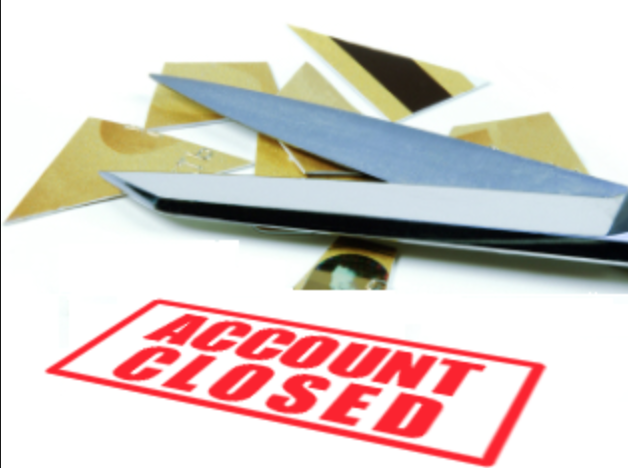
Keep the number of credit cards you have to a minimum.
If you are like most Americans, you are besieged with offers to try a new credit card, often offering a lower interest rate or more rewards than the one you are currently using. How to decide, short of accumulating a fistful?

Closing out one of your current cards to accommodate another may make good economic sense, but it also can have a downside. Closing out a card you have had for a long time may cause a temporary dip in your credit rating. Some card holders opt to hold onto their old, established cards rather than swap for a lower-interest option because of that reason.

However, experts at Experian, one of the three big credit bureaus, say that excessive concern about the effect on your credit rating should not be the exclusive reason for not changing cards. It is one of the factors you should consider, but there are others.

Credit bureaus look at a range of factors when they create a score for you, said Experian’s Rod Griffin.

Credit utilization is one of the factors. That means how much of your available credit you are actually using. If you have four cards, each with a limit of $5,000, you have total credit available of $20,000. But if you have two cards that are about maxed out and no balances on two of the cards, you are only utilizing about 50 percent of your capacity. That’s what the credit bureau looks at. Cancelling one of the cards would have a small impact on your overall score. And if you continue a long-running record of timely payments, it is likely to recoup quickly.

Even so, if you are planning to apply for a home or auto loan or any other in which your credit score will be relevant, wait until that transaction is complete before dropping a card, Griffin advises. In general, it takes three to six months for your rating to be affected by the cancellation of a card.

If you are concerned that cancelling a card will immediately eliminate its credit history, don’t be, he says. The credit bureau will include that card’s history in its considerations of your rating for at least 10 years if there is no negative background.

Your next credit report will note that a card was closed at your request, which is not likely to be a red flag for a potential lender.

If you want to evaluate your credit cards and determine if they are all necessary, the questions you should ask include whether or not a particular card is financially beneficial to you. Consider the interest rate, fees, incentives and rewards and make comparisons to determine if you want to eliminate one or more of the cards. Ideally, you will retain only cards that you use on a monthly basis, paying them off in a timely manner.

Occasional pruning is a good idea, particularly if you are carrying a lot of cards that have low limits and relatively high interest. For instance, that card you signed up for in college for the sake of the free T-shirt. As your credit history matures, you have more leeway for low-interest cards that offer more incentives.

Related articles across the web

  • What Can I Do If My Credit Card Application is Denied?

    Filed Under: Credit Tagged With: credit cards

    How To Get A Good Credit Score

    March 10, 2015 By Twila Van Leer

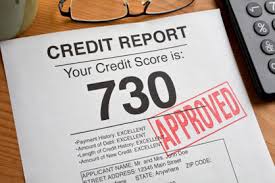
    improving-your-credit-scoreWant to be the kind of consumer the creditors want? The kind that they bend over backwards to accommodate? The sort that breezes through a loan process with nary a wrinkle? It can be done.

    At the crux of it all is your credit report. That’s the elusive data collected by credit reporting agencies that only surfaces when your finances are being discussed, usually with large ticket purchases in mind –things such as houses and cars.

    The reporting agencies use a system known as FICO to create an individual credit profile, an acronym derived from the name of the California company that developed the method. Scores range from 300 (Don’t even ask for credit) to 800 (You’re a shoe-in.) Though there are critics who say the factors used to create a credit report are not the only ones that should be considered, the reports are a fact of credit life today. Thirty-five percent of the rating is based on payment history; 30 percent on amounts owed; 15 percent on the length of credit history; 10 percent on new credit and 10 percent on types of credit.

    Things you can do to improve your credit rating:

    1. Make payments on time. If you begin making payments late or, worse, missing them, the resultant penalties and fees will be factored into your credit report.

    2. Don’t use a credit card that charges an annual fee. Shop around until you find a card that doesn’t charge fees and still offers rewards. That general rule might be set aside if you find a card with a fee that is counterbalanced with low interest, generous benefits and other features that cancel the effect of the fee. A word of caution: constantly shopping for a “better” credit card may build a perception that you are having trouble managing debt. It all goes into the record. Sticking with a particular card for a long time shows financial stability.

    3. Never max out your credit availability. Using less than 30 percent of the credit for which you qualify is good practice. Utilizing several lines of credit, such as mortgage, car payments, etc., as well as credit cards, also helps the score, as long as you conform to the agreed-upon terms.

    4. Monitor your credit rating. Credit reporting services are required to furnish a report to you annually. Some banks now are providing this service to customers, overturning earlier practices that made procuring the information difficult. If you find questionable information in your report, act immediately to correct it.

    Critics of the current method of creating credit reports argue that it overlooks some very important factors. For instance, it does not make allowances for people who simply don’t use credit. That means it discriminates against the potentially best customers, the so-called “credit invisibles.”

    Regardless of the perceived flaws, it is the system now in use, and if you are credit-wise you can do things to improve your rating, whether or not you are a big user of credit.

    Filed Under: Credit Tagged With: credit score

    Liability Shift In Credit Card Fraud

    February 25, 2015 By Twila Van Leer

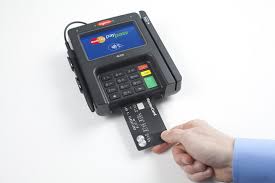
    Smart-card-based credit card payment systems improve security.
    About half the world’s credit card fraud happens in America. This new processing terminal uses technology that reads the latest EMV chip embedded credit card.

    Due to massive losses that have occurred through large-scale credit card data breaches, there will be a change in credit card liability. Beginning on October 1, 2015, a shift in liability places the responsibility for fraudulent credit card charges on the merchant and/or banks that don’t use new technology to accommodate chip-based credit cards. The changes, the first major alterations in decades, will make credit card fraud more difficult.

    The traditional magnetic strip credit cards now in wide use will be replaced with cards that have embedded chips and PINS. Fraudsters will find themselves stymied as more users turn to these cards, dubbed EMV cards, an abbreviated form of Europay, MasterCard and Visa.

    The Losers

    The losers will be the merchants who are not EMV ready and banks who don’t issue cards with the new technology. Historically, card issuers have eaten the loss due to counterfeit cards. Now the responsibility will shift to the merchant who processed the card without the new technology or the bank that issued the card without EMV technology. Magnetic card swipes are easily counterfeited, and now account for billions of dollars in fraud losses every year – an estimated 7 billion in the United States alone.

    Start Dates

    On Oct.1, when the rules change, merchants who have not installed EMV terminals will be burdened with the costs of fraudulent transactions, but those who offer EMV protected services will be off the hook. When the new technology was developed, the card networks decided that improving point of sale devices and the design of the credit card itself would be the best way to go.

    It will take time for the new technology to settle in. Experts estimate that by the Oct. 1 start date about 35 percent of merchants will have the technology to process EMV sales. And only 15 percent to 25 percent of cards issued will have the chips to facilitate the secure purchases. By the end of the year, the expectations are that 70 percent of credit cards, 41 percent of debit cards and 59 percent of terminals will be ready for the new technology.

    Big Retailers Comply

    Predictably, the largest merchants are gearing up to lead the parade. They and others are trying to stay ahead of the curve in being prepared for the change. Widely publicized security breaches such as the devastating Target fiasco are impetus for the merchants to make themselves – and their customers – more secure. The cost of installing the new equipment is about $200 per terminal.

    New Industry Created By EMV Needs

    Those who produce and install the equipment are being hard-pressed to meet demand. Small merchants are at the tail-end of the parade toward EMV technology, and the demand is so great there are many competitors ahead of them.

    What Banks Issue EMV Credit Cards?

    Among the card issuers, large banks also are better poised to make the change, with regional banks less ready to distribute EMV-enabled cards to customers. There is no huge supply of EMV chips, and these institutions may see a lag in catching up with the technology, so they may face greater fraud losses. American Express, Bank of America, Chase, Citi and Wells Fargo banks all issue cards with the new chip technology.

    Europe is ahead of the United States in implementation of EMV-protected card transactions, with experience going back to 2005. Since then, online sales have increased significantly. The experts expect the same jump in the U.S.

    Looking Forwards

    The shift in liability will open new doors for mobile payment processing in 2015. New technologies that process payments through mobile phones may lead to some steep learning curves by consumers, retailers and banks, but chances are the learning will be worth it in the long run.

    Read More At Wall Street Journal

    Filed Under: Credit, Credit Cards Tagged With: credit cards

    • « Go to Previous Page
    • Page 1
    • Page 2
    • Page 3
    • Page 4
    • Interim pages omitted …
    • Page 6
    • Go to Next Page »

    Primary Sidebar

    Personal Finance Articles

    • Make Saving A Priority
    • Review Your Home-Insurance Risks
    • Lowest Air Fare? Try August 28
    • Hackers Targeting Bitcoins
    • Keep Your Emergency Fund Intact

    Save At Walmart

    Search

    Personal Finance Education

    Investing Education from Morningstar.

    As Seen On Intuit

    Intuit.com has ranked Coolchecks.net #4 out of 10 of the best blogs to help you save money. We hope to help you become more aware of your own financial situation and strive to improve it.

    Featured On Mint.com – July 2014

    Mint Interview

    Categories

    • Banking
      • Check Writing
      • Checking Accounts
      • Credit Cards
      • EMV Cards
      • Fees
      • Fraud
      • History
      • Student Loans
    • Best Of The Web
    • Budgets
      • Emergency Fund
      • Grocery Shopping
      • Saving Money
      • Spending Habits
    • Business
      • 3D Printing
      • Bankruptcy
      • Business Advertising
      • Business Development
      • Business Plans
      • Corportate Lessons
      • Data Mining
      • Legal Issues
      • Merchants
      • SEC
      • Security
      • Small Business Startups
    • Consumer Alerts
    • Cryptocurrency
    • Cutting Costs
    • Employment
      • best places to work
      • Careers
      • Interviews
      • Job Search
      • Top CEOs
      • Wages
    • Entrepreneurs
      • Attitudes
      • Entrepreneur Interviews
    • Featured
    • Finance
      • Automobiles
      • Credit Ratings
      • Education
      • Financial Planners
      • Foreclosures
      • Homes
      • Insurance
      • Investing
      • Mortgages
      • Personal Finance
      • Renting
      • Term Deposits
      • Travel
      • Work
    • Fraud
    • Government
    • Holidays
      • Christmas
      • Halloween
    • Internet
      • Bitcoin
      • Blogging Tips
      • Blogs, RSS and Podcasting
      • Databases
      • Facebook
      • Influence
      • marketing
      • Twitter
      • Website Reviews
      • WordPress
        • Key Words
    • Investing Basics
      • Hedge Funds
      • Investing
      • Mutual Funds
    • Life
      • Aging
      • Just For Fun
        • Punahou Alumni Corner
      • Millennials
      • Personal Health
    • Money Making Ideas
      • Affiliate Programs
      • Craigslist
      • Ebay
    • Money Management
      • Bankruptcies
      • Building Wealth
      • Child Care Costs
      • Christmas Shopping
      • Credit
        • Free Credit Report
      • Debit Cards
      • Debt
      • Debt Reduction
      • Health Insurance
      • Income
      • Inheritance
      • Interest Rates
      • Loans
      • Mortgages
      • New Years Resolutions
      • Retirement
      • Shopping Tips
      • Tax Strategies
      • Your Stories
    • Retirement
    • Self Improvement
      • Time Management
      • Work Habits
    • Shopping
      • Coupons
      • Online Shopping
    • Social Security
    • Tax Tips
    • Taxes
    • Technology
    • Trade
    • Uncategorized
    • Wealth

    Best of Personal Finance Blogs

    Best of BuyerZone Business Finance Blog Recipient

    Personal Finance Sites We Recommend

    Get personal finance advice from the people behind the top money blogs, including Wise Bread, The Simple Dollar, Mint and Nerd Wallet.

    Copyright © 2026 ·Metro Pro · Genesis Framework by StudioPress · WordPress · Log in