• Skip to primary navigation
  • Skip to main content
  • Skip to primary sidebar
  • Money Management
    • Debt Reduction
    • Credit
    • Mortgages
    • Mutual Funds
    • Tax Strategies
    • Loans
  • Budgets
    • Saving Money
    • Income
  • Banking
    • Checking Accounts
    • Check Writing
    • Fraud
    • History
  • Entrepreneurs
    • Entrepreneur Interviews
    • Money Making Ideas
    • 3D Printing
  • Resources
  • Retirement
  • About
    • Privacy Policy

Personal Finance Blog

Tips And Stories To Help You With Managing Money

  • Privacy Policy
  • Saving Money In 2018
You are here: Home / Archives for Finance

Finance

Dealing With Trial Periods

June 8, 2009 By Guest Posts

Let’s face it, we live busy lives. I’m pretty sure that most companies are aware of this. I’m also pretty sure that that’s why many companies entice customers with trial periods. Think about it. How many times have you signed up for a service because it was free for 3 months, with the real intention of canceling said service at the end of the trial period, only to forget to call and actually cancel the service? Having figured out that many customers will forget to call and cancel, companies can afford these trial periods, banking on the busyness of the average consumer.

Personally, I’m very busy. So, when I’m offered a trial period, especially one that requires a phone call in order to cancel a service, I’m vary wary. In most cases, I simply decline the service. This is by far the easiest way to deal with most of these types of offers.
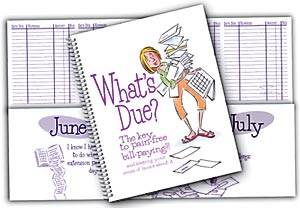
Bill Organizer - Reminders Tell You When Your Bills are Due

Once in a while, however, I’ll actually get an offer to try a service that I’m actually wanting to check out. For instance, I recently switched satellite television providers, and enjoyed three months of free premium movie channels. Just last night, I called my provider, just as the free trial period ran out, and canceled the channels. It was fun to have the channels, but I really do not need them.

If, like me, you struggle to stay organized, but you still want to take advantage of these trial periods, consider setting up a reminder system. Personally, I use the iCal program on my computer, and make a simple note, reminding myself of when to call and cancel a particular service. I also know folks who use websites like FutureMe, a website that will allow you to schedule a reminder email, and send it to yourself at a specific time in the future. Pretty rad.

Remember, before signing up for any free trial period, be sure that you know exactly how to cancel the service. This is especially true for services offered by credit card companies and credit reporting services. Taking the time once a month to take care of these pesky little phone calls can, in the long-term, save you a lot of money.

Follow me via Twitter

Filed Under: Finance Tagged With: Saving Money

Buying Something to Force Yourself Into a New Behavior Doesn’t Work: New Rules for a New Routine

June 6, 2009 By Guest Posts

[ad]Routine- Golgatha I. Photo by h.koppdelaney.Several people I know have a treadmill in the garage or basement of their home. They bought it with great visions in their head of walking every day, but after the newness wore off, the treadmill began to gather dust – then it was folded up and put into storage.

One reader of The Simple Dollar invested almost $1,000 in pans for her kitchen. Six months later, she’s still mostly using the microwave and the pans are gathering dust.

One of my friends bought a netbook recently, thinking she’d use it all the time to keep up with her email better for her online business. It’s still in her purse, but she claims to have only used it three times in the last month. Instead, she still uses her cell phone.

I myself have done this. Take Wii Fit, for example. When I bought it, I thought it’d be great for establishing a simple cardio exercise routine. I do use it, but instead it just comes out once a week to play mini-games on.

Each of these purchases is essentially the same story. You have a behavior you want – a fitness routine, cooking good food at home, keeping more up-to-date with email – but you’re having some difficulty establishing it. So you make a big, splashy purchase in order to kick-start things – and then you find that didn’t do the trick either, and you’re left with a lot of money sunk into something you don’t really need.

Many people have stories like this (in fact, share yours in the comments!). Why is it so prevalent? I think there are at least three reasons.

First, we have the best of intentions. Most of us do actually strive to improve ourselves, but lives are complicated. Almost every moment is a balance of different things – the things we want to do, the things we should be doing, and so on. It’s often hard, even with the best of intentions, to push another routine in there, especially a time-intensive one.

Second, advertising appeals to those intentions. We see ads for exercise equipment, think about our goals, decide that “we could do that for twenty minutes a day,” and order the equipment. A good ad is designed to do that – prey on a notion already in our head and transform it into a purchase.

Third, a new routine is perilously hard to establish. You have to make yourself do it every day, at least for the first month or two. It doesn’t come naturally.

Add these all up, and buying a piece of equipment in order to jump-start a new routine is almost always a complete waste of money.

Instead, I propose some new rules for a new routine.

First, figure out a very simple routine – don’t dive in with a complex one. Walk for fifteen minutes a day. Practice the guitar for fifteen minutes. Cook one meal a day – and keep it a fairly simple one. Check your email three times a day. Check Twitter three times a day.

Second, try establishing the routine with minimal equipment. Don’t go buy a treadmill or new running shoes. Instead, go outside and walk every day for fifteen minutes – go around the block three times or so. Don’t go buy a netbook – instead, try checking your email on the equipment you already have. Don’t go buy $1,000 worth of pans – instead, buy one low-end pot and one low-end skillet and try making some very simple dishes every day. Don’t go spend $3,000 on an electric guitar – get an old acoustic one to practice on and see if it sticks.

Third, make room for the new routine. In other words, find an unhealthy routine and minimize it. Cut your television viewing down to an hour a day – or less. Trim down your internet usage if you use it excessively. Stop going out to eat so often – cut it down to once a week. All of these choices free up time – and that free time can easily be filled by your new routine.

Finally, make reminders. Leave your equipment out where you can’t miss it. Put your guitar in your favorite chair. Sit your jogging shoes there. Keep your pans right out on the stove. Leave recipes out where you can find them. In short, make your new routine screamingly obvious at all times, giving you the best chance possible to make the leap to maintain it.

Good luck on the new routines in your life.

Filed Under: Finance Tagged With: Saving Money

How to Nail an Interview: 20 Job Interview Tips

May 21, 2009 By Guest Posts

After writing about how to negotiate your salary recently, a couple of readers pointed me to another job-related tool on the web. Steinar Skipsness has created a microsite called How to Nail an Interview. Here’s how he describes it:

What is it that certain people say or do during a job interview that makes them stand out? Why do some people struggle to find work, while others land a job in no time? I wanted to know, and the only way to find out was to experience the interview from the other side of the table. If I could be the one asking the interview questions, not answering, I could see first hand what made candidates stand out. I could then take that knowledge and cater my behavior in any future interview to give myself the best chance of getting hired.

To conduct his research, Skipsness rented office space in downtown Seattle, posted a “help wanted” ad on Craigslist, and then (legally) videotaped interviews with applicants. Skipsness received hundreds of resumes and conducted 28 interviews, from which he culled the following 20 tips:

  1. Your resume has 10 seconds to sell.
  2. Be on time.
  3. Turn off your cell phone.
  4. Know the company and why you want to work there.
  5. Bring extra resumes.
  6. Bring a notepad.
  7. Dress conservatively.
  8. Clean up your online presence.
  9. Don’t make jokes.
  10. Don’t babble.
  11. Don’t badmouth a boss.
  12. Don’t flirt with the interviewer.
  13. Don’t play with your face or hair.
  14. Some things are better left unsaid.
  15. Have good eye contact.
  16. Have goals.
  17. Have accomplishments.
  18. Have passion.
  19. Ask questions.
  20. Send a thank-you note.

For each item, Skipsness provides additional information (why should you send a thank-you note?), and for many of his recommendations, he includes video from the interviews that demonstrate what not to do. Would you hire this guy?

Filed Under: Finance

More Info On Good Credit Report Score

January 7, 2009 By Sherry Tingley

Bankruptcy is an option but the laws have changed and it is not always the best way ahead. It is often the case that credit card debts have increased over a period of time because of a number of pricey emergencies that needed paying for. Others are in that situation because of overspending and poor financial planning, but whatever the grounds for being in debt there are some ways of credit card debt relief. There are no instantaneous solutions and your credit card debt relief will take some time to achieve, and not finally over until the debt is cleared.

Good Credit History

There are many establishments providing the service of credit card debt relief today with adverts on the radio, TV or press on a constant basis. It is always wise to be careful about committing to anything that is heavily promoted without knowing exactly what you are getting yourself into. Credit card debt consolidation companies must be of concern to the Federal Trade Commission because they are warning people about the practices of these companies. Often, when trying to sort out your credit card debt, you end up with poor credit anyway and those establishments that promised to help you may have ended up hindering you.

Getting your credit card debt relief procedure started is the most important thing to do although it may take some time to kick in. Contact your credit card company and discuss your situation, sometimes, they may be able to help you and lower your interest rate or payments. The credit card establishments can, at their discretion, put into effect a package that won’t have any ill effects on your credit in the future. You can also speak to a credit card guidance service and they can be of great help to consumers for a low fee or often no fee at all. It is often the case that they just sit down and go through your budget with you and spotlight ways to save money and sometimes arbitrate with your credit card company for you. It never hurts to follow the advice of these professionals as credit card counselling service establishments will know exactly if what you plan to do will affect your credit ranking. Don’t be afraid to get hold of them because they can supply a large amount of guidance that could help find you some credit card debt relief.

Home Loans and Credit

If possible, arrange an appointment with your banking company who may be able to release some equity in your home to help with your credit card debt relief demands but this will only be possible if you have a steady income. Nonetheless, this will mean having another large monthly repayment to help with your credit card debt and of course, your house is at stake if you default on a mortgage payment. Part-time jobs or any way of finding an extra source of income can help to supply you with some credit card debt relief. Numerous families have spouses who work several lines of work just to put food on the table and assist in reducing credit card debt. Many may not be a permanent state of affairs, just a temporary one until you get enough of credit card debt relief to live comfortably again. Finally, the most important piece of advice is to cut up the credit cards because if you want your credit card debt relief to mean anything, you must not repeat the situation you have found yourself having to deal with, again!

Filed Under: Finance Tagged With: bankruptcy, credit card debts, good credit report score

Free Credit Report: Accessing Your No Cost Beacon Score

January 7, 2009 By Sherry Tingley

Your credit report credit score is basically a representation of your finances and in many cases your net worth. There are many aspects of your character that can be determined by your credit score. It has become so important to keep a good credit score nowadays that even certain employers are a checking your credit score before they consider you for a job. With the importance of having good credit on an all time rise, it is mandatory that you make sure that your FICO is as accurate as possible.

The are several components that can affect your score, so it is important that you get a free credit score report to analyze your credit report. Some factors that can affect your credit score are late payments, charge offs, bankruptcies, and excessively high limits. There may also be inaccuracies on your report that were put on there mistakenly, making sure of what’s on your report is vital to repairing any inaccuracies immediately. Your free credit score report gives you the opportunity to do a thorough evaluation of your credit score at your own pace.

In addition to making sure your credit report is reporting accurate information such as actual balances of credit cards and revolving accounts, you also want to make sure that you have not become a victim of identity fraud. It is no secret identity fraud is the fastest growing crime in America, protecting yourself from most identity fraud situations can begin by getting a free credit score. Once you have receive your free credit score, if you believe that you are a victim of identity fraud, there are several measures you can take to rectifying the situation. Regardless of whether you are a victim or not you can still take preventative measures like identity protection.

With the current state of the economy, a good credit score is more important than ever before. Getting a loan for a home, business or ever a vehicle has become increasingly more difficult. It is not impossible however to get financing but the people who are able to qualify for loans have diminished. The financial institutions are getting much stricter with their criteria for approving loan applications, so it has become even more imperative that you keep up on your credit score report.

There is no excuses to not knowing your credit report information. Getting a free copy of your free credit score is just too easy. The benefits to knowing your check credit report, improving your credit score, and protecting your credit score are too many to list. Your credit rating is directly tied to your character so it has become an accurate representation of you, getting a free credit score and making sure your character is not being misrepresented is a must.

Related articles across the web

  • On-Time Payments Heal All Credit Report Wounds

Filed Under: Finance Tagged With: check credit report, credit score report, free credit report

  • « Go to Previous Page
  • Page 1
  • Interim pages omitted …
  • Page 26
  • Page 27
  • Page 28

Primary Sidebar

Personal Finance Articles

  • Make Saving A Priority
  • Review Your Home-Insurance Risks
  • Lowest Air Fare? Try August 28
  • Hackers Targeting Bitcoins
  • Keep Your Emergency Fund Intact

Save At Walmart

Search

Personal Finance Education

Investing Education from Morningstar.

As Seen On Intuit

Intuit.com has ranked Coolchecks.net #4 out of 10 of the best blogs to help you save money. We hope to help you become more aware of your own financial situation and strive to improve it.

Featured On Mint.com – July 2014

Mint Interview

Categories

  • Banking
    • Check Writing
    • Checking Accounts
    • Credit Cards
    • EMV Cards
    • Fees
    • Fraud
    • History
    • Student Loans
  • Best Of The Web
  • Budgets
    • Emergency Fund
    • Grocery Shopping
    • Saving Money
    • Spending Habits
  • Business
    • 3D Printing
    • Bankruptcy
    • Business Advertising
    • Business Development
    • Business Plans
    • Corportate Lessons
    • Data Mining
    • Legal Issues
    • Merchants
    • SEC
    • Security
    • Small Business Startups
  • Consumer Alerts
  • Cryptocurrency
  • Cutting Costs
  • Employment
    • best places to work
    • Careers
    • Interviews
    • Job Search
    • Top CEOs
    • Wages
  • Entrepreneurs
    • Attitudes
    • Entrepreneur Interviews
  • Featured
  • Finance
    • Automobiles
    • Credit Ratings
    • Education
    • Financial Planners
    • Foreclosures
    • Homes
    • Insurance
    • Investing
    • Mortgages
    • Personal Finance
    • Renting
    • Term Deposits
    • Travel
    • Work
  • Fraud
  • Government
  • Holidays
    • Christmas
    • Halloween
  • Internet
    • Bitcoin
    • Blogging Tips
    • Blogs, RSS and Podcasting
    • Databases
    • Facebook
    • Influence
    • marketing
    • Twitter
    • Website Reviews
    • WordPress
      • Key Words
  • Investing Basics
    • Hedge Funds
    • Investing
    • Mutual Funds
  • Life
    • Aging
    • Just For Fun
      • Punahou Alumni Corner
    • Millennials
    • Personal Health
  • Money Making Ideas
    • Affiliate Programs
    • Craigslist
    • Ebay
  • Money Management
    • Bankruptcies
    • Building Wealth
    • Child Care Costs
    • Christmas Shopping
    • Credit
      • Free Credit Report
    • Debit Cards
    • Debt
    • Debt Reduction
    • Health Insurance
    • Income
    • Inheritance
    • Interest Rates
    • Loans
    • Mortgages
    • New Years Resolutions
    • Retirement
    • Shopping Tips
    • Tax Strategies
    • Your Stories
  • Retirement
  • Self Improvement
    • Time Management
    • Work Habits
  • Shopping
    • Coupons
    • Online Shopping
  • Social Security
  • Tax Tips
  • Taxes
  • Technology
  • Trade
  • Uncategorized
  • Wealth

Best of Personal Finance Blogs

Best of BuyerZone Business Finance Blog Recipient

Personal Finance Sites We Recommend

Get personal finance advice from the people behind the top money blogs, including Wise Bread, The Simple Dollar, Mint and Nerd Wallet.

Copyright © 2026 ·Metro Pro · Genesis Framework by StudioPress · WordPress · Log in