• Skip to primary navigation
  • Skip to main content
  • Skip to primary sidebar
  • Money Management
    • Debt Reduction
    • Credit
    • Mortgages
    • Mutual Funds
    • Tax Strategies
    • Loans
  • Budgets
    • Saving Money
    • Income
  • Banking
    • Checking Accounts
    • Check Writing
    • Fraud
    • History
  • Entrepreneurs
    • Entrepreneur Interviews
    • Money Making Ideas
    • 3D Printing
  • Resources
  • Retirement
  • About
    • Privacy Policy

Personal Finance Blog

Tips And Stories To Help You With Managing Money

  • Privacy Policy
  • Saving Money In 2018
You are here: Home / Archives for Money Management / Debt

Debt

Two Steps Toward Freedom From Credit Card Debt

April 23, 2016 By Twila Van Leer

Balance transfers help you get out of credit card debt.
There are perfectly legitimate ways to reduce the interest and ultimately pay off credit card debt. Personal finance experts suggest you use them.

First Step

Find a card that offers a 0 percent introductory balance transfer promotion and transfer your balance to it. These cards often offer new customers as much as 18 months during which no interest is charged on the transferred balances. The experts consistently track all the cards to find that ones offering these terms and there are reviews that are available to the public. Check bankrate.com.

It pays. Think of it: on a $10,000 balance, $100 to $200 of your monthly payment is sucked up by interest, leaving only about $50 to be applied to the principle.

Second Step

After you have found a card that will charge no interest for a certain period of time, use that time to break free of the debt. Continue to make the payments you would have done previously. Add a little if possible. You will see the overall debt dip very quickly.

After having been swimming upstream trying to make headway against your credit card debt, you’ll see immediate improvement. There simply is no way to make inroads until the high interest can be eliminated as a factor. Use this formula and then repeat the process with additional credit cards to see real progress.

Filed Under: Debit Cards, Debt, Debt Reduction Tagged With: credit cards, Debt, money management

Money Management Tips For 30 Somethings

March 29, 2016 By Twila Van Leer

Manage money carefully in your 30's.
Manage money carefully in your 30’s.
What you do in your 30s, personal finance-wise, makes a difference to what your retirement will look like. There are some common mistakes people make in their 30s that influence the future. Here are some of them:

Over-spending for children

What you spend on cute clothes, sophisticated toys and even educational apps must be subtracted from what you expect to live on after you are through working. Better to spend conservatively and save money for your children’s college funds.

Not discussing finances before marriage

Getting married without discussing finances can be destructive. If by your 30s you have not learned to negotiate financial options, you could be in trouble. Money issues can become serious marital conflicts, leading to divorce or ongoing clashes. Learn to talk about finances and how to set monetary goals together.

Ignoring debt

Coping with consumer debt well into your middle years can be worrisome. There are always excuses to burden yourselves with debt. Children and the ordinary crises of life are among them. But ignoring debt can come back to haunt you. Budget aggressively, live thriftily, earn as much as you can and try to anticipate retirement free of consumer debt.

Keeping up with the Joneses

Over-extending for things like a house and/or cars is another pitfall. Temper your desires to have everything and to give your children everything and you’ll find yourself better prepared to make do in your retirement years. People don’t really need a huge house and several vehicles to rear happy children. Keeping up with the Joneses occupies the minds of too many of those in their 30s. Remember that the Joneses probably are trying to keep up with someone else up the ladder. Be reasonable. Buy within your means and put something aside for later.

Not leaving a will

Make out a will or set up a trust for your kids and your spouse. Save them the hassle of trying to sort things out in case of your passing. Set up a power of attorney and power of healthcare so things don’t get sticky at that point. Ditto life insurance. If you unexpectedly leave your family when they are still depending on your income or time, you need life insurance, enough to cover their needs, not just the minimum usually offered by an employer. Consider disability insurance. In your 30s, the chances of becoming disabled are greater than early death.

Ignoring investments

Re-evaluate retirement goals now and again. By 30, your income probably has increased. Re-calculate to ensure that your retirement will support the lifestyle you want to retain. Pay attention to how your investments are performing relative to those goals. Readjust if necessary to meet goals and risk tolerance. Find a capable financial planner to help you.

Not starting a college fund when kids are young

Don’t wait until your child/children are ready to go to college to prepare financially for that expensive undertaking. Put money into an online savings account toward that eventuality. Find ways, if possible, to enlarge your education savings. Some adults at this time of life, too, consider going back to school to enhance their employment possibilities. Be certain to carefully study how much you can expect to gain by more schooling before you enroll. You could be making an expensive mistake.

Not pursuing other income opportunities

Diversify your income. The days are essentially gone when you could expect to work for one employer throughout your life. If you have a hobby that can be converted to income, pursue it. Job loss is no longer uncommon and you may need fallback sources to get you from one job to another. Taking good care of your personal finances in your 30s could pay big dividends down the road. Pay attention.

Trending Today

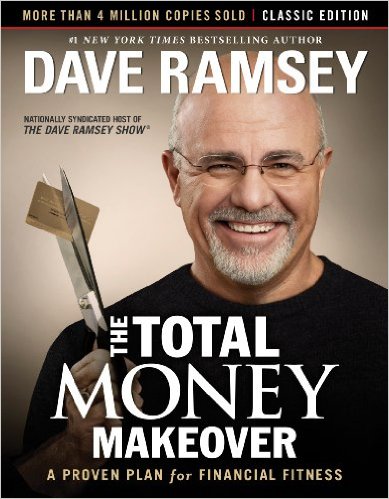
  • Dave Ramsey's classes are life changing!Dave Ramsey’s classes are life changing!
  • Calculate your monthly mortgage payment.Calculate your monthly mortgage payment.
  • Common Fraud SchemesMillennials increase their savings but financial security slips.

Filed Under: Building Wealth, Debt, Saving Money, Spending Habits Tagged With: Budgeting, Debt, Investing, making money, money management

Be Wary of Fake Debt Scams

March 28, 2016 By Twila Van Leer

Be wary of bill collectors claiming you owe them money.
When a thief gets your credit card info and runs up a huge debt, who is responsible for paying? Some scammers are making an art out of trying to get the money from the card holder and there are steps you can take to protect yourself. The elderly are particularly vulnerable since they tend to be less savvy about electronic finance issues.

One unfortunate retirement-age woman found herself being dunned for $8,500 after someone named “David” used her credit information illegally. She received more than 60 calls over a three-week period, often late at night, as she was hassled to pay the debt. The harassment didn’t end until she hired a lawyer.

The Consumer Financial Protection Bureau (CFPB) reports that 8,700 similar complaints were filed with the agency over a 15-month period, half from elderly persons who reported unrelenting attempts to collect money they didn’t owe.

In the period from July 2013 to December 2014, the agency received overall 110,000 complaints regarding debt collection. The Federal Trade Commission lists such complaints as its most consistent industry problem.

The debt collectors report they are trying to collect some $756 billion in debt. It isn’t possible to estimate how much of that staggering total involves “false debt” claims. But based on complaints by those 62 and older, there are several identifiable tactics that collectors use to weasel money not owed from the elderly, according to an AARP magazine article. They include:

Common debt collector scams:

Threats to garnish Social Security or veterans’ benefits if the person doesn’t pay the claimed “debt.” CFPB experts say this is not possible. Garnishees from these government sources are only possible for delinquent state or federal debt such as unpaid taxes, student loans or government-backed mortgages. Alimony or child support payments also can be withheld from Social Security payments, but Supplemental Security Income benefits cannot be garnished due to any debt.

Pressure to pay medical bills that supposedly were generated by a late spouse. Widows are the frequent victims of this particular scam, which are purposely imposed on them when they are emotionally frail, just learning to cope with their loss. Or the scammers may make repeated attempts to collect debts that they falsely allege were owed by deceased family members.

Frequently repeated calls, offensive language and threats of public shame are among the scammers’ arsenal to intimidate so-called debtors into paying. The experts stress that persons being subjected to these annoying tactics should not respond under pressure simply to be rid of the annoyance. Verify the debt before even considering payment. Be aware that collectors cannot collect on debt that has expired under statute of limitations provisions. The period ranges from two to 10 years, depending on state laws.

There are instances of mistaken identity in which legitimate collectors simply have their information wrong. In some instances, they are able to collect from the wrong party because those being dunned are reluctant to provide identifying information over the phone for fear of identity theft. But if you think you may have wrongfully paid a debt under such circumstances, contact the CFPB and your state’s attorney general to report your concerns.

To protect yourself against fake collectors, follow these steps:

Ask for specific information about the alleged debt. If the collector fails to respond, you can assume it is a scam. Visit go.usa.gov/Fsge for information about bogus collectors.

Keep close tabs on your credit transactions. You are entitled to three annual free reports from the three major credit reporting firms. Visit AnnualCreditReport.com for information on obtaining these reports. Look for unrecognized debt in your name and report discrepancies immediately.

Visit go.usa.gov/FsY3 to get information about alleged debt. Dispute claims that are not correct. You can obtain sample letters from that address that you can use as patterns to report your disputes. Send the information by certified mail and with a “return receipt” to the collector and to the creditor. Copy to the CFPB, the Federal Trade Commission and your state attorney general.

If you are being dunned for alleged credit card debt, insist on written proof, such as statements detailing unpaid charges. If the collector claims medical debt, ask for documents detailing services, dates and names of providers. Cross-check with Medicare and private insurers.

Trending Today

  • Help  For Seniors Fighting Against FraudSeniors Not Alone
  • You have the right to someone in your financial cornerYou have the right to someone in your financial corner
  • Common Fraud SchemesCommon Fraud Schemes

Filed Under: Credit Cards, Debt, Fraud, Free Credit Report Tagged With: credit cards, debit card fraud, Debt, Fraud Prevention

How One Couple Paid Off $118,000 In Debt

December 26, 2014 By Twila Van Leer

Amy and Mat Kroezen with their daughter, Tanami.
Amy and Mat Kroezen with their daughter, Tanami. Image From USNews.com
How about this: A couple, one of them not employed, owes $116,000 in student loans and another $2,000 in car payments. What to do? The Kroezens decided to pay off the debt in four years. Impossible? No way. At the end of the four years, the Kroezens, Amy and Matt, now the parents of one child with another en route, had essentially realized their goal.

Here’s how they did it, according to an article in U.S. News and World Report. The article starts with discouraging statistics compiled by Think Finance: three in four Americans carry debt into a new year, including credit card debt (36 percent) and car loans (28 percent.) Then the story of the Kroezens is told, holding out hope for those who have a sincere desire to beat debt.

At the outset, in 2008, Amy was a new graduate of the Art Institute of Atlanta, with the huge education debt and discouraging prospects for a job in her field. She was turned down for one interior design job after another as the country slogged through a recession. One design firm suggested she wait tables until things got better.

Instead of sinking under the challenge, the Kroezens made the unlikely decision to be debt-free in four years. Eventually, she got a job and between her and Matt, a dance instructor, they were earning $32,000 to $35,000 each. They decided to live on one salary and put the other into debt repayment.

That meant that they had to move to a cheaper apartment that was closer to both of their jobs. The move provided a savings in transportation as well. Amy used an envelope method of keeping track. She cashed her checks and put money into envelopes for particular expenses, such as food, rent and other essentials. The rest of their income, at least $990 per month, went to debt.

The family was very frugal, resisting the temptation to spend for anything that wasn’t actually needed. They repaired broken household items rather than replacing them, bypassed restaurant meals. Amy built their furniture when they moved into a new home. She also makes cleaning supplies and grows some of their food. They asked family members to give them power tools for Christmas.

Attitude was everything, Amy reported. Any lapse into depression was offset with the reminder that the goals were worth the sacrifices.

A good support system also was crucial. Family, friends and a spouse dedicated to the same financial goals were essential to the program.

Amy and Matt did the smart thing by giving priority to debt with the highest interest, reducing fees and interest. Another approach is to pay off the smaller debts first to build a sense of accomplishment, but the Kroezens were determined to minimize interest.

Even after whipping their huge credit load, the family continues to live on about $19,000 per year, leaving them a nice savings pot. Frugality has become the norm in their family.

Credit card debt is usually the most expensive, followed by auto and student loans. Any loans with a variable rate can increase in cost rise quickly when interest rates go up.

The experts who contributed to the Kroezen story advise that people interested in curbing overspending create a “vision book,” with images that remind them of financial goals – for instance, a picture of a favorite vacation spot, a home or condo that is in the future, or any item on the family’s wish list. A look through the vision book is a reminder that unnecessary items eat up the money that could be going toward the desired objectives.

The Kroezens proved that achieving such objectives is possible.

Filed Under: Debt Tagged With: Debt

Which Debts Should You Pay Off First?

May 21, 2014 By Kevin Mercadante

Managing Debt, Debt ManagementThere is all kinds of advice floating around as to which debts you should pay off first. Most advisors seem to have a preference for paying off credit cards or mortgages ahead of other types of debt.

There may be no right and wrong when it comes to paying off debt – after all, paying off just about any debt is a step in the right direction. But some debts are more threatening than others, so we’re going to look at paying off debts in the order of most risky to least risky. When you look at it that way, the whole order changes.

1. Car loans

I am a strong advocate of paying off car loans ahead of any other type of debt. There are two primary reasons for this:

High monthly payment to balance. If you owe $10,000 on a credit card, your monthly payment is probably around $200. On a student loan debt, it’s probably a little bit over $100. With a car loan, the monthly payment could easily be $400. That is a big, fat monthly payment, and getting rid of it as soon as possible will do wonders to improve your cash flow, and make it easier for you to concentrate on paying off other debts. Typically, paying off a car loan gives you the greatest bang for the buck when it comes to improving your budget. This is why it needs to be the first loan that you pay off.

The outcome if you are unable to pay this debt. This is an issue most people don’t think much about, but you need to. Typically, a car is an asset that you use in the production of income. Whether you use your car for business purposes or to commute to your job, you need your car in order to earn a living. If you lost your job and could no longer afford to make the payments on your car, the car would be repossessed and you would be unable to get a new job for lack of a way to get there. For this reason alone, paying off your car loan should get top priority.

2. Business loans

There are a large number of people who are self-employed in small businesses and have certain assets that are required in order for them to generate income. Paying off debts associated with these assets is a close second to paying off car loans.

The case here is similar to giving a priority to paying off your car loan. An asset used in the production of income should be owned free and clear, that way if you hit on hard times and couldn’t afford to make your debt payments, you will still be able to earn a living.

3. Other secured loans

If you have a secured loan that is collateralized by an important asset, you should pay it off as soon as possible. This may not be a true priority if the loan is secured by furniture or a recreational vehicle, since they are not necessities. But if the loan is attached to something you can’t live without, it should be given a priority. This is because normal functioning in your household will not be possible in the event that a major asset is repossessed.

4. Credit cards – smallest to largest

Most financial advisors make paying off credit cards the number one priority. But in the grand scheme of things, credit cards are more of an annoyance than anything else. If you fall behind, the creditors can harass you and threaten you with of all kinds cataclysms, but they won’t be able to remove important major assets from your life. You’ll still be able to get to work every day, to heat your house and to do your laundry, you’ll just have to get used to living under a constant cloud of threats.

The two most compelling reasons to payoff credit cards are:

  1. High interest rates, and
  2. The rates are variable

These are legitimate concerns, but in the current low interest rate environment, you have time to payoff the more dangerous loans listed above before taking on any of your credit cards. And if you do, you’ll have more cash to payoff your credit cards.

5. Student loans

These days it seems that nearly anyone who has a student loan wants to pay it off. That makes sense, given the long-term nature of the debt. But at the end of the day, student loan debts are simply not that threatening. Monthly payments are low compared to the outstanding balance, and interest rates are far more well behaved than your credit cards. In short, student loans aren’t going anywhere so you have plenty of time to take care of other debts first.

Given the fact that student loan debts are typically large balances, you’ll probably need to payoff other debts before taking on these. In order to make substantial progress in paying off a large balance, you’ll have to clear the decks of other obligations to free up your cash flow to make the larger payments. Which is another compelling reason to pay off other debts ahead of your student loans.

6. Your Mortgage

Next to credit cards, paying off the mortgage is probably the most recommended course of action. But there are a whole lot of reasons to hold this debt until last:

  • The loan is secured by your home, which probably has enough equity that you can sell it to payoff the loan, if push came to shove.
  • If you have negative equity in the house, the lender would be in no hurry to foreclose on you anyway, giving you time to work out some sort of settlement.
  • Mortgages typically carry lower rates of interest than other types of debt.
  • You’re probably getting some kind of income tax break on mortgage interest.
  • If it’s a fixed rate mortgage, your payment cannot increase.
  • A mortgage is long-term debt, which means you have close to forever to pay it off; in the meantime, you have the benefit of living in the house.

Perhaps the biggest reason of all to put mortgages at the back of the payoff line is their sheer size. Let’s say that you are three years into a 30 year mortgage, and still owe $250,000 on it. Even if you concentrate all of your efforts on paying off the mortgage, it will probably still taking years to do it.

And if it will take years, you’ll need to have all of your other debts paid off first, that way you’ll have the money that you need to make a serious effort to make your mortgage go away.

Filed Under: Credit, Debt Tagged With: money management

  • « Go to Previous Page
  • Page 1
  • Page 2
  • Page 3
  • Page 4
  • Page 5
  • Go to Next Page »

Primary Sidebar

Personal Finance Articles

  • Make Saving A Priority
  • Review Your Home-Insurance Risks
  • Lowest Air Fare? Try August 28
  • Hackers Targeting Bitcoins
  • Keep Your Emergency Fund Intact

Save At Walmart

Search

Personal Finance Education

Investing Education from Morningstar.

As Seen On Intuit

Intuit.com has ranked Coolchecks.net #4 out of 10 of the best blogs to help you save money. We hope to help you become more aware of your own financial situation and strive to improve it.

Featured On Mint.com – July 2014

Mint Interview

Categories

  • Banking
    • Check Writing
    • Checking Accounts
    • Credit Cards
    • EMV Cards
    • Fees
    • Fraud
    • History
    • Student Loans
  • Best Of The Web
  • Budgets
    • Emergency Fund
    • Grocery Shopping
    • Saving Money
    • Spending Habits
  • Business
    • 3D Printing
    • Bankruptcy
    • Business Advertising
    • Business Development
    • Business Plans
    • Corportate Lessons
    • Data Mining
    • Legal Issues
    • Merchants
    • SEC
    • Security
    • Small Business Startups
  • Consumer Alerts
  • Cryptocurrency
  • Cutting Costs
  • Employment
    • best places to work
    • Careers
    • Interviews
    • Job Search
    • Top CEOs
    • Wages
  • Entrepreneurs
    • Attitudes
    • Entrepreneur Interviews
  • Featured
  • Finance
    • Automobiles
    • Credit Ratings
    • Education
    • Financial Planners
    • Foreclosures
    • Homes
    • Insurance
    • Investing
    • Mortgages
    • Personal Finance
    • Renting
    • Term Deposits
    • Travel
    • Work
  • Fraud
  • Government
  • Holidays
    • Christmas
    • Halloween
  • Internet
    • Bitcoin
    • Blogging Tips
    • Blogs, RSS and Podcasting
    • Databases
    • Facebook
    • Influence
    • marketing
    • Twitter
    • Website Reviews
    • WordPress
      • Key Words
  • Investing Basics
    • Hedge Funds
    • Investing
    • Mutual Funds
  • Life
    • Aging
    • Just For Fun
      • Punahou Alumni Corner
    • Millennials
    • Personal Health
  • Money Making Ideas
    • Affiliate Programs
    • Craigslist
    • Ebay
  • Money Management
    • Bankruptcies
    • Building Wealth
    • Child Care Costs
    • Christmas Shopping
    • Credit
      • Free Credit Report
    • Debit Cards
    • Debt
    • Debt Reduction
    • Health Insurance
    • Income
    • Inheritance
    • Interest Rates
    • Loans
    • Mortgages
    • New Years Resolutions
    • Retirement
    • Shopping Tips
    • Tax Strategies
    • Your Stories
  • Retirement
  • Self Improvement
    • Time Management
    • Work Habits
  • Shopping
    • Coupons
    • Online Shopping
  • Social Security
  • Tax Tips
  • Taxes
  • Technology
  • Trade
  • Uncategorized
  • Wealth

Best of Personal Finance Blogs

Best of BuyerZone Business Finance Blog Recipient

Personal Finance Sites We Recommend

Get personal finance advice from the people behind the top money blogs, including Wise Bread, The Simple Dollar, Mint and Nerd Wallet.

Copyright © 2026 ·Metro Pro · Genesis Framework by StudioPress · WordPress · Log in