
• Skip to primary navigation
  • Skip to main content
  • Skip to primary sidebar
  • Money Management
    • Debt Reduction
    • Credit
    • Mortgages
    • Mutual Funds
    • Tax Strategies
    • Loans
  • Budgets
    • Saving Money
    • Income
  • Banking
    • Checking Accounts
    • Check Writing
    • Fraud
    • History
  • Entrepreneurs
    • Entrepreneur Interviews
    • Money Making Ideas
    • 3D Printing
  • Resources
  • Retirement
  • About
    • Privacy Policy

Personal Finance Blog

Tips And Stories To Help You With Managing Money

  • Privacy Policy
  • Saving Money In 2018
You are here: Home / Archives for Budgets / Saving Money

Saving Money

Maximize Your Experience at HomeGoods

May 14, 2018 By Twila Van Leer

HomeGoods
Due to high inventory turn over, an item you may be interested in may not be there the next time you visit the store.
HomeGoods is a little bit different. It’s a haven for those who love the thrill of a flea market, but with more panache. A constantly rotating inventory offers something new every few days in the home decor area. To maximize your shopping experience in this outlet, try these tips:

Week days are less hectic. You’ll avoid some of the competition for an unusually desirable item if your aren’t arm-wrestling a dozen other shoppers. Late morning and early afternoon are the times least likely to be congested.

Look clear to the back of a shelf. The store stacks items in rows several deep, so unless you have reached clear to the back of the shelf, you may be missing something that would interest you. Bathroom accessories, kitchen wares and art pieces tend to be in this category.

Keep tabs on HomeGoods stocking by viewing the app now and again. The store doesn’t sell online, but keeps its app up to date showing the latest great finds they are offering. Follow the store closest to you, where the app is updated daily.

Inventory turns over quickly. If you are interested in an item but want to think it over, it may not be there the next time you visit the store. They have a 30-day return policy, so you can try out that sofa pillow with the option of returning it before making a final decision. If you want to purchase something too large to fit in your vehicle, they will hold it for up to a week, giving you time to make arrangements. As you peruse what’s in the store, you may see items with tags marked “sold.” They are likely being held for pickup.

If the item you wanted disappears from your store before you get to it, try the other stores. Not each of them has the exact same choices as another.

If the item you are eyeing has a nick, scrape, stain or other minor damage, ask for a discount.

Red stickers on sale tags signify real deals. But they may have been manhandled in the process. Examine them closely for real damage. It’s possible the merchant is aware of the damage and has already discounted the item as much as he is going to, but it doesn’t hurt to ask.

If you’re afraid your discount purchase at HomeGoods means the item will be out of style soon, don’t be. The store’s buyers look for good deals all year regardless of “season” so they are constantly restocking with goods that may have been out for only a couple of months or so.

Filed Under: Saving Money, Shopping, Spending Habits

Coupons Count!

May 12, 2018 By Twila Van Leer

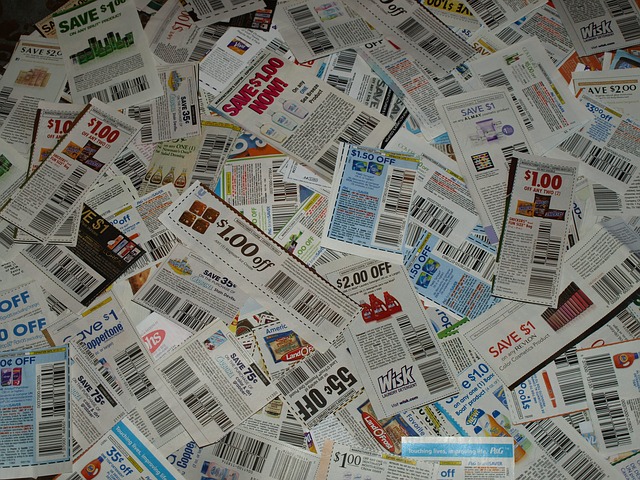
Coupons Count
Coupons.com is one of the largest sources for manufacturer’s coupons. They can be printed or redeemed via the Coupons.com app.
Coupons that offer reduced prices on food products and other items are worth the effort to find and they are so readily available that there is no excuse for not using them. From standard newspapers to mobile apps, they are just waiting for you to snap them up and save money on your purchases.

You can use digital coupons by printing them out to take on your shopping trip; electronically send them to a store loyalty card, using the card to redeem them at the checkout counter; or you can obtain and redeem them using an app.

Here are seven sources of coupons to get you started:

Coupons.com is probably the largest source for manufacturer’s coupons. You can print them from the website or access and redeem them via the Coupons.com app.

RedPlum.com. This outlet provides manufacturer coupons that you can print or save to a grocery store loyalty card.

SmartSource.com also offers manufacturer coupons that you can print, access via app or redeem through your grocery story loyalty card. SmartSource refers to the latter option as “Direct2Card.”

MamboSprouts.com specializes in printed coupons for natural and healthy products.

Manufacturer websites are provided by the manufacturer direct to customers. Check the websites to determine if your favorite products are represented. Some of the giants that have many products include them in one place. For example, Procter & Gamble has its P&G Everyday program while General Mills provides its coupons via Tablespoon. Kellogg’s websites offers printable coupons after registering.

Many retailers provide coupons through their websites as well. Walgreen’s, for example, passes along manufacturer coupons that can be added to your loyalty card with just the click of a button.

Kroger and Target are among the retailers that offer manufacturer coupons on their mobile apps. You can check your favorite retailers’ websites or search a legitimate app store such as Apple’s App store or Google Play.

See, it’s simple. What are you waiting for? Start saving now the coupon way.

Filed Under: Coupons, Grocery Shopping, Saving Money, Shopping

When Your Term Deposit Matures

May 10, 2018 By Twila Van Leer

Term Deposit
Some institutions allow you to make additional contributions to the account for the duration of the term.
Term deposit accounts are among the low-maintenance savings options. You deposit the money and then sit back and wait out the specific time you have chosen – six months to five years in general — while the interest builds. The interest tends to be better than in a regular savings account, making term deposit one of the best ways to diversify your long-term investments.

But when the maturity date rolls around, there are several options you might consider to continue the benefit of your term deposit:

Take no action and let the fund roll over automatically. Doing this will maintain the account at the current interest rate. Review interest rates before making the decision. Obviously, if rates are trending downward, you might want to consider another savings scheme.

Cash out the interest and roll over the initial investment. This approach allows you to balance spending and savings and maintains the investment to earn more interest.

Increase or reduce the investment. If you have more money to invest or need some of the term deposit money for some other purpose, make that analysis the guide to what you do as the term deposit matures. Take into consideration your personal circumstances and your long-term investment goals before acting.

Adjust the term. If you went with a longer period for the initial term deposit, but feel that your current financial status might benefit from a shorter term, re-deposit the money at a shorter term, say six months to a year. Some institutions allow you to make additional contributions to the account for the duration of the term. Flexibility is what allows you to make the best savings decisions over time.

Cash out the account. If you had a specific savings goal in mind when you deposited your money in a term account, such as home repairs or a new car, simply cash out the entire amount. Restart a new account when you are ready and have a new objective in mind.

Filed Under: Finance, Money Management, Saving Money, Spending Habits, Term Deposits

How To Get The Best Airfares

March 21, 2018 By Twila Van Leer

How to Get the Best Airfares
Booking the best airfares is a complex mix of research, flexibility, decisiveness, timing and luck with vigilance being the operative word.
If you fly a lot, you should be routinely getting the best possible fares. So here are seven tips that will help you accomplish that:

• Research. Comparison sites such as Kayak or Google Flights can provide current prices. Use the calendar view to see how prices line up at different times of the year. When you know what the regular prices are, you’ll recognize a deal when you see it.
• Stay updated. Some sites update frequently to advertise flash sales and error fares. Airfare watchdog, Thrifty Traveler and Secret Flying post deals throughout the day and supplement with Twitter and Facebook posts. Many deals are time-sensitive and you have to be flexible to take advantage of them. If a deal seems right for you, don’t wait. Book it immediately.
• Look for shoulder season or off-season flights. The high-demand months are March, April, July, August and December. That’s when fares are highest. They correlate with school breaks and holidays. “Shoulder” months are May, June, October and November. Not only are flights less expensive then, but weather is usually milder and there are fewer crowds to deal with. Off-season months are January, February and September, and you’ll find the lowest fares then.
• Fly on Tuesdays, Wednesdays and Saturdays. Airfares are priced on supply and demand, so these days offer the best fare deals because of low demand. Demand is highest on Mondays, Thursdays and Fridays.
• Book early, but not too early. The best time to find the best rates is 45 to 90 days before you plan to fly. Too early or too late can lock you into a rate that might drop before your planned departure.
• Use the 24-hour cancellation policy. If you see a cheap fare in which you are interested, snap it up. That gives you 24 hours within which to make further considerations. Use the time to check to see if you can find a better deal. You haven’t anything to lose if you decide to cancel if the airline you chose has a 24-hour cancellation policy. Obviously, you need to be aware of that before you make the jump.
• Get back the difference. If you have booked a flight and subsequently see the same flight on a different airline at a lower price, check and see if the original line has a price-matching policy. Some airlines charge a $40 service fee, but you don’t have to use the policy often to recoup that cost.
Booking the best airfares is a complex mix of research, flexibility, decisiveness, timing and luck. Vigilance is the operative word. But the effort can pay off and you can save enough money for even more flights. It’s worth it.

Filed Under: Personal Finance, Saving Money, Spending Habits, Travel

Value Of Money Changes

February 26, 2018 By Twila Van Leer

Money Changes
Think in terms of the future value of your dollar, not what it is worth at the moment
Do You Know The Time Value Of Money?

Wimpy, of the old cartoon show, Popeye, loves hamburgers, a passion that leads to his signature line, “I’ll gladly pay you Tuesday for a hamburger today.” This line leads us to our topic of discussion today. Will the dollar you have today be worth more tomorrow?

A dollar this year may be worth much more next year. The opposite of what Wimpy was suggesting. This variation in the value of our dollars is one of the fundamental principles of finance and you need to firmly establish it in your mind as you contemplate investing. Your $1 today invested wisely can be worth much more next year. The best advice you can take is to remember this forward -looking growth statement. You need to realize the value of every dollar that comes into your possession.

Using your money wisely can offset such factors as inflation. If you can invest and earn a dividend or capital gains on your dollar, you stay ahead of the decline in value related to inflation. Realizing the full potential of every dollar you have is key to building wealth. Think of dollars as seeds. You can eat them (spend) or sow them (invest.)

Think in terms of the future value of your dollar, not what it is worth at the moment.

Assume you are 30 years old and 35 years from retirement at age 65. That means that an investment you make now has 35 years to compound. If you invest at a good rate of return, you’ll have a good nest egg when you retire. The historic rate of return on the stock market is 12 percent. The return on bonds is slightly lower. A combination of both could predictably give you a return of 10 percent.

Using these variables and estimates, you could assume that failing to invest $20 today could cost you approximately $562 over 35 years. Adjusting for inflation, the cost could be closer to $140. Even so, your purchasing power would have increased some seven-fold.

Multiply $20 by whatever amount you are able to invest, and you can see that failing to invest now has significant impact on what you can expect to have in the future.

Seen in this context, you may reassess how much a seemingly small luxury you indulge in today can add up to a significant loss in the future. Think ahead.

Filed Under: Investing, Money Management, Personal Finance, Saving Money

  • « Go to Previous Page
  • Page 1
  • Page 2
  • Page 3
  • Page 4
  • Interim pages omitted …
  • Page 20
  • Go to Next Page »

Primary Sidebar

Personal Finance Articles

  • Make Saving A Priority
  • Review Your Home-Insurance Risks
  • Lowest Air Fare? Try August 28
  • Hackers Targeting Bitcoins
  • Keep Your Emergency Fund Intact

Save At Walmart

Search

Personal Finance Education

Investing Education from Morningstar.

As Seen On Intuit

Intuit.com has ranked Coolchecks.net #4 out of 10 of the best blogs to help you save money. We hope to help you become more aware of your own financial situation and strive to improve it.

Featured On Mint.com – July 2014

Mint Interview

Categories

  • Banking
    • Check Writing
    • Checking Accounts
    • Credit Cards
    • EMV Cards
    • Fees
    • Fraud
    • History
    • Student Loans
  • Best Of The Web
  • Budgets
    • Emergency Fund
    • Grocery Shopping
    • Saving Money
    • Spending Habits
  • Business
    • 3D Printing
    • Bankruptcy
    • Business Advertising
    • Business Development
    • Business Plans
    • Corportate Lessons
    • Data Mining
    • Legal Issues
    • Merchants
    • SEC
    • Security
    • Small Business Startups
  • Consumer Alerts
  • Cryptocurrency
  • Cutting Costs
  • Employment
    • best places to work
    • Careers
    • Interviews
    • Job Search
    • Top CEOs
    • Wages
  • Entrepreneurs
    • Attitudes
    • Entrepreneur Interviews
  • Featured
  • Finance
    • Automobiles
    • Credit Ratings
    • Education
    • Financial Planners
    • Foreclosures
    • Homes
    • Insurance
    • Investing
    • Mortgages
    • Personal Finance
    • Renting
    • Term Deposits
    • Travel
    • Work
  • Fraud
  • Government
  • Holidays
    • Christmas
    • Halloween
  • Internet
    • Bitcoin
    • Blogging Tips
    • Blogs, RSS and Podcasting
    • Databases
    • Facebook
    • Influence
    • marketing
    • Twitter
    • Website Reviews
    • WordPress
      • Key Words
  • Investing Basics
    • Hedge Funds
    • Investing
    • Mutual Funds
  • Life
    • Aging
    • Just For Fun
      • Punahou Alumni Corner
    • Millennials
    • Personal Health
  • Money Making Ideas
    • Affiliate Programs
    • Craigslist
    • Ebay
  • Money Management
    • Bankruptcies
    • Building Wealth
    • Child Care Costs
    • Christmas Shopping
    • Credit
      • Free Credit Report
    • Debit Cards
    • Debt
    • Debt Reduction
    • Health Insurance
    • Income
    • Inheritance
    • Interest Rates
    • Loans
    • Mortgages
    • New Years Resolutions
    • Retirement
    • Shopping Tips
    • Tax Strategies
    • Your Stories
  • Retirement
  • Self Improvement
    • Time Management
    • Work Habits
  • Shopping
    • Coupons
    • Online Shopping
  • Social Security
  • Tax Tips
  • Taxes
  • Technology
  • Trade
  • Uncategorized
  • Wealth

Best of Personal Finance Blogs

Best of BuyerZone Business Finance Blog Recipient

Personal Finance Sites We Recommend

Get personal finance advice from the people behind the top money blogs, including Wise Bread, The Simple Dollar, Mint and Nerd Wallet.

Copyright © 2026 ·Metro Pro · Genesis Framework by StudioPress · WordPress · Log in